

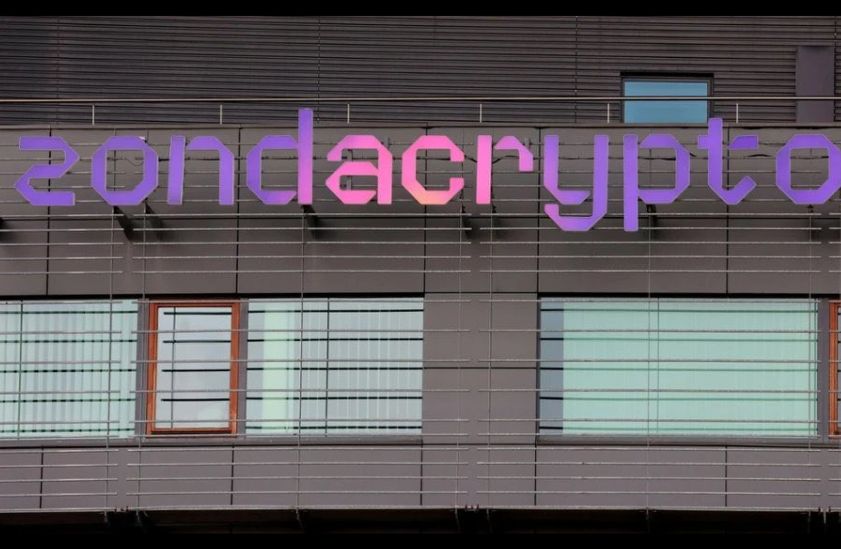
Zondacrypto’s supervisory board resigned after citing governance failures and poor internal communication. The case intensified after hot wallet balances dropped, withdrawal complaints grew, and Polish prosecutors opened an investigation, drawing wider attention to the exchange’s Swiss links and regulatory standing.
The entire supervisory board of BB Trade Estonia OÜ, the company operating crypto exchange Zondacrypto, resigned this week, adding new pressure on the platform’s corporate structure and financial standing. Veronika Togo, Guido Bühler, and Georgi Džaniašvili submitted their resignations separately and later issued a joint statement explaining their decision.
In that statement, the former board members said management failed to provide timely and accurate information during a developing crisis. They also said some public statements did not match the company’s operational reality or the information earlier shared with the supervisory board. The case has drawn attention in Switzerland and Poland because of Zondacrypto’s corporate links, regulatory position, and public visibility.
Zondacrypto supervisory board resigns over governance concerns
The joint statement from the three former board members said there were “material inconsistencies between certain public statements, operational reality and the information previously provided to the supervisory board.” Their statement said the problem involved both internal communication and oversight.
The former board members also pointed to the concentration of ownership and operational control in one person as a structural issue. The statement referred to CEO Przemysław Kral and said effective oversight in such a structure depends on transparency, timely communication, and trust. According to the statement, the foundation had been weakened.
The former supervisory board members also said they did not learn about the situation through internal reporting. Instead, they said they first became aware of the matter through public reports in Polish media after the issue had already started to escalate. They added that earlier board decisions had been made in good faith based on audit reports, MiCA-related regulatory processes, and regular contact with management.
The resignations carry added weight because of the board’s profile. Guido Bühler is a co-founder and former chief executive of Zug-based SEBA Bank, now known as Amina Bank. He also previously served on the board of UBS Investment Bank, which gave the Zondacrypto supervisory structure wider recognition in European financial and crypto circles.
Bitcoin wallet outflows and withdrawal complaints hit Zondacrypto
Operational concerns increased after blockchain analysis from Zug-based forensics firm Recoveris. According to its findings, Zondacrypto held 55.7 BTC in known Bitcoin hot wallets in August 2024. By March 2026, that amount had fallen to 0.18 BTC. On April 1, 2026, the balance stood at about 0.07 BTC.
Recoveris also said it documented 511 transactions to wallets at Kraken between December 2025 and April 2026. The total value of those transfers reached about $21 million. The firm described the pattern as a “systematic draining of reserves,” making wallet activity a central part of the current scrutiny.
CEO Przemysław Kral has said the company holds more than 4,500 BTC in cold wallets. However, those holdings have not been publicly verified. According to media reports, Kral also said he does not have access to one of the relevant wallets.
At the same time, customer complaints about delayed withdrawals have increased since December 2025. Users reported transactions remaining in pending status for hours or days. The Polish public prosecutor’s office has since opened an investigation as questions around liquidity and internal controls continue to grow.
Swiss links and Polish regulatory debate widen attention
The case has also attracted attention because of Zondacrypto’s Swiss ties. Zug-based Divisio Holding AG holds the stakes in the Estonian operating company. In addition, the exchange expanded its public profile through sports sponsorships with Juventus FC, Atalanta BC, and AS Monaco Basket.
In Switzerland, Zondacrypto became more visible after securing naming rights to the HC Davos stadium, which has carried the name zondacrypto-Arena for about a year. That link has now placed the issue beyond the crypto sector. HC Davos CEO Marc Gianola said he had no knowledge of any liquidity problems at the company.
The matter has also entered Poland’s political debate over crypto regulation. Poland has not yet fully implemented the EU’s MiCA framework after former president Karol Nawrocki twice vetoed the legislation, calling the rules “excessively restrictive.” Prime Minister Donald Tusk has since accused Zondacrypto of financing parliamentarians who opposed MiCA implementation, placing the exchange at the center of a broader regulatory dispute.
Disclaimer : Crypto News India does not recommend that any cryptocurrency should be bought, sold, or held by you. Do conduct your own due diligence and consult your financial advisor before making any investment decisions.
