

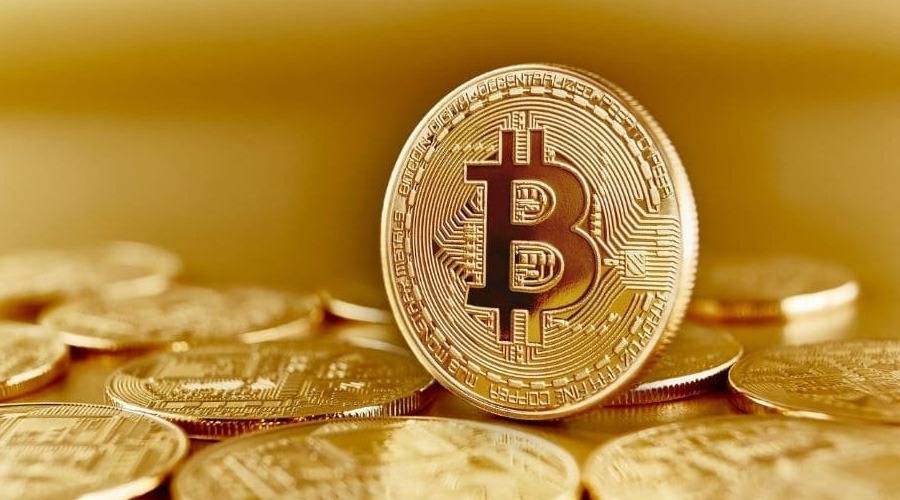
Bitcoin is no longer a topic confined to tech forums and finance blogs. It comes up at family dinners, in office chats, and on prime-time news. Yet for most beginners, the actual mechanics behind it stay fuzzy. Words like blockchain, mining, and wallets get used casually, without much explanation of what they mean or why they matter.
This guide walks through Bitcoin from the ground up. It covers what Bitcoin is, how it came into existence, how the network functions behind the scenes, and what a new investor should know before putting money into it. Treat it as a starting point. Cryptocurrency markets move fast, and a solid grasp of the basics matters more than chasing the latest price prediction.
What is Bitcoin?
Bitcoin is a digital currency. There is no physical coin, no note, no branch office to visit. It runs on a network of computers spread across the globe, and every transaction gets recorded on a shared ledger that anyone can view.
The word that comes up again and again with Bitcoin is decentralized. No bank, no government, no single company runs it. Instead, thousands of independent computers, called nodes, work together to check and confirm every transaction. Nobody can print more coins on a whim or freeze someone’s account.
Supply is capped at 21 million coins. This number is written directly into the code that runs Bitcoin, and it cannot be changed without near-universal agreement across the network. Most of that supply has already been mined. The rest trickles out slowly over the coming decades through a process called mining, covered in more detail further down.
Owning Bitcoin comes down to two keys:
- Public key – works like a bank account number, safe to share so people can send you funds
- Private key – works like a password, and must stay secret at all times
Lose the private key, lose the coins. There is no customer service line to call for a reset.
One more thing worth knowing early: Bitcoin is pseudonymous, not anonymous. Every transaction sits on a public ledger for anyone to inspect. The wallet addresses themselves don’t carry names attached to them, but once an address gets linked to a real identity, through an exchange account or otherwise, its history becomes traceable.
Where Bitcoin Came From
The idea surfaced in a white paper released in 2008 by someone, or some group, using the name Satoshi Nakamoto. Nobody knows their real identity to this day. The paper described a way to send money electronically without a bank standing in the middle.
Timing mattered here. This was right after the global financial crisis, when trust in banks had taken a serious hit. Nakamoto’s proposal offered something different: a currency built on math and code rather than institutions and promises.
The network went live in January 2009. The very first block ever mined, known as the genesis block, carried a hidden message referencing a newspaper headline about bank bailouts. Many read it as a quiet jab at the system Bitcoin was built to bypass.
Early adoption was slow and mostly limited to hobbyists. Coins had barely any monetary value in the first couple of years. One story still gets told often: a programmer once paid 10,000 bitcoins for two pizzas. At today’s prices, that would be an eye-watering sum, and the anecdote is usually brought up to show how far the asset has traveled since those early days.
As word spread, exchanges appeared, wallets got easier to use, and investors of every size started paying attention. Thousands of alternative coins followed in Bitcoin’s wake, some trying to fix its shortcomings, others chasing hype. Through all of it, Bitcoin has stayed at the top, often called digital gold on account of its scarcity.
The point of this history isn’t nostalgia. It helps explain why Bitcoin exists the way it does, and why its early design choices still shape how people use and value it today.
How Bitcoin Actually Works
Blockchain is the technology underneath Bitcoin. Picture a shared notebook that thousands of computers hold copies of at once. Every page records a batch of transactions, and once a page is filled, it gets sealed and linked to the page before it.
Here’s the basic flow:
- A transaction is broadcast to the network
- It waits in a holding area known as the mempool
- Miners pick up pending transactions and group them into a block
- Miners compete to solve a mathematical puzzle tied to that block
- The first to solve it adds the block to the chain and earns a reward
- Other computers on the network double check the work before accepting it
This entire cycle usually takes about ten minutes.
Reversing a confirmed transaction is, for practical purposes, off the table. Doing so would mean rewriting every block that came after it, and with thousands of computers holding copies of the chain, that kind of tampering gets harder with every passing minute.
What does all this buy an investor? Three things, really. Transparency, since anyone can look up the transaction history. Security, since altering it takes an absurd amount of computing power. And decentralization, since no single party gets to decide what counts as valid.
Mining: Where New Bitcoins Come From
Mining gets misunderstood a lot. It sounds like digging for coins, but it’s closer to a competition. Miners race to solve a cryptographic puzzle, and whoever wins gets to add the next block of transactions and pockets a reward for the effort.
The machines used for this are called ASICs, short for application specific integrated circuits. They’re built for one job only: crunching through these puzzles as fast as possible. Regular laptops stopped being useful for mining a long time ago.
Rewards don’t stay fixed forever. Roughly every four years, an event called the halving cuts the mining reward in half. This was baked into Bitcoin’s code from day one, and it slows down how quickly new coins enter circulation.
Solo mining is possible in theory. In practice, the odds of a single miner winning that puzzle are tiny, so most miners join pools instead. Pool members combine their computing power, and when the pool wins a reward, it gets split based on each person’s contribution.
For a beginner, mining is usually not worth pursuing. Hardware costs run high, electricity bills add up fast, and competition from large scale mining operations makes it tough for a small setup to break even. Buying Bitcoin through an exchange is a far more practical route for most newcomers.
Wallets: Storing Bitcoin the Right Way
A wallet doesn’t hold coins the way a physical wallet holds cash. It holds the keys needed to access coins recorded on the blockchain. That distinction trips up a lot of beginners.
Wallets generally fall into two buckets:
- Hot wallets – connected to the internet, includes mobile apps, desktop software, and exchange accounts. Convenient, but more exposed to hacking attempts.
- Cold wallets – hardware devices that keep private keys offline. Less convenient for quick trades, but far safer for holding larger amounts long term.
Whichever type gets used, the private key or seed phrase is the single most important thing to protect. A seed phrase is usually twelve to twenty four words that can restore a wallet if a device is lost or breaks down. Anyone who gets hold of that phrase can take everything.
Exchanges often hold private keys on a user’s behalf. This is convenient, but it also means the exchange technically controls those coins, not the user. There’s a saying in the crypto world that sums this up bluntly: not your keys, not your coins.
A sensible path for most beginners: keep smaller amounts on a trusted exchange while learning the ropes, and move larger holdings to a hardware wallet once comfort with the process grows.
Buying Bitcoin: The Practical Steps
Buying Bitcoin used to be complicated. It isn’t anymore. Most beginners can go from zero to owning some in under an hour. The steps look roughly like this:
- Pick an exchange – choose one that’s regulated and operates legally in your country, with good reviews on security and support
- Verify identity – expect to submit an ID document and proof of address as part of standard KYC checks
- Fund the account – bank transfer, card, or other supported method; check fees before committing to one option
- Place an order – market orders execute right away at current price, limit orders wait until price hits a target
- Decide on storage – leave smaller amounts on the exchange, or move larger holdings to a personal wallet
Fees deserve a closer look before jumping in. They vary quite a bit between platforms, and payment method often changes the fee structure too. A card purchase, for instance, usually costs more than a bank transfer.
Beginners are generally better off starting small. Get familiar with how the platform works, how withdrawals function, and how price charts move before committing serious money.
Why Does Bitcoin Have Value?
This question comes up constantly, and fairly so. There’s no gold bar backing it, no government guarantee behind it. So where does the value come from?
Scarcity is a big part of the answer. Only 21 million coins will ever exist. Governments can print more currency whenever policy calls for it; Bitcoin’s supply schedule can’t be changed on a whim. That fixed cap is exactly why people started calling it digital gold.
Demand plays its part too. More individual investors, funds, and even some companies now treat Bitcoin as a legitimate store of value. When more people want in and the supply barely grows, prices tend to feel that pressure.
Network effects matter as well. The more people who use, accept, and build around Bitcoin, the more useful and trusted it becomes. This is similar to how a popular messaging app becomes more valuable simply because more people are already on it.
There’s also real world utility. Bitcoin moves across borders without needing a bank in the middle. In places where local currency is unstable or banking access is limited, this has made a genuine difference for some people.
None of this erases volatility. Prices can swing hard within days, sometimes hours, and short term moves often have little to do with any of the fundamentals above.
Risks Every Beginner Should Know
Before putting money into Bitcoin, it helps to be honest about what can go wrong. A few risks stand out:
- Volatility – prices can move sharply in a single day, and beginners often panic during these swings
- Regulatory changes – governments are still shaping their rules around crypto, and new laws can shift access or price overnight
- Security threats – phishing scams, fake exchanges, and lost private keys are common causes of permanent losses
- Market manipulation – crypto markets have less oversight than traditional stock markets, leaving room for coordinated price moves
- Technical hiccups – network congestion and software bugs happen occasionally, even on a mature network like Bitcoin’s
None of these risks mean Bitcoin should be avoided altogether. They do mean it deserves the same caution any high risk investment deserves. A common piece of advice among financial planners: only invest money you can afford to lose, and treat Bitcoin as one piece of a wider portfolio rather than the whole plan.
Bitcoin Compared to Traditional Investments
Stocks, bonds, real estate, and Bitcoin all behave differently, and beginners coming from traditional investing often need to reset a few assumptions.
A stock represents partial ownership in a real company, one with revenue, profits, and a board making decisions. Bitcoin has none of that. Its value comes entirely from what people are willing to pay for it, not from underlying earnings.
Trading hours differ too. Stock exchanges open and close on a schedule. Bitcoin markets run all day, every day, including weekends and holidays. This constant availability is part of why prices can react to news instantly, rather than waiting for the next trading session.
Regulation is another gap. Traditional markets operate under decades of established rules meant to protect investors. Crypto regulation is catching up, but coverage still varies widely from one country to the next.
Bitcoin’s price behavior also doesn’t always track traditional economic indicators the way bonds or stocks tend to. That relationship is shifting as more institutions get involved, but it remains far less predictable today.
None of this rules Bitcoin out as a portfolio addition. Many financial advisors now view a small allocation as reasonable, provided it matches the investor’s appetite for risk.
Tips Before You Invest
A short list of practical habits can save a beginner a lot of trouble:
- Learn the basics before putting in money, not after
- Start with an amount small enough that a loss wouldn’t hurt
- Consider dollar cost averaging, buying a fixed amount at regular intervals rather than trying to time the market
- Use two factor authentication on every exchange account
- Move larger holdings to a hardware wallet once comfortable with the process
- Avoid decisions made in a panic during a price crash or a rally
- Keep an eye on regulatory news, since it can affect access and pricing
None of these tips guarantee profit. Bitcoin remains unpredictable, and nobody can promise otherwise. What these habits do offer is a lower chance of an avoidable mistake, which matters just as much in a market this volatile.
Final Words
Bitcoin has traveled a long way from a white paper nobody paid attention to, to an asset that shows up in serious financial conversations around the world. Understanding how it works, from the blockchain that records every transaction to the wallets that guard access to it, gives a beginner a real footing before any money changes hands.
None of this removes the risk. Prices swing hard, rules keep evolving, and mistakes with private keys can be permanent. Anyone approaching Bitcoin should do so with patience, a willingness to keep learning, and money they can afford to risk. Handled that way, Bitcoin can be a reasonable part of a broader financial plan, not a shortcut, but a genuine option worth understanding on its own terms.
Disclaimer : Crypto News India does not recommend that any cryptocurrency should be bought, sold, or held by you. Do conduct your own due diligence and consult your financial advisor before making any investment decisions.
