

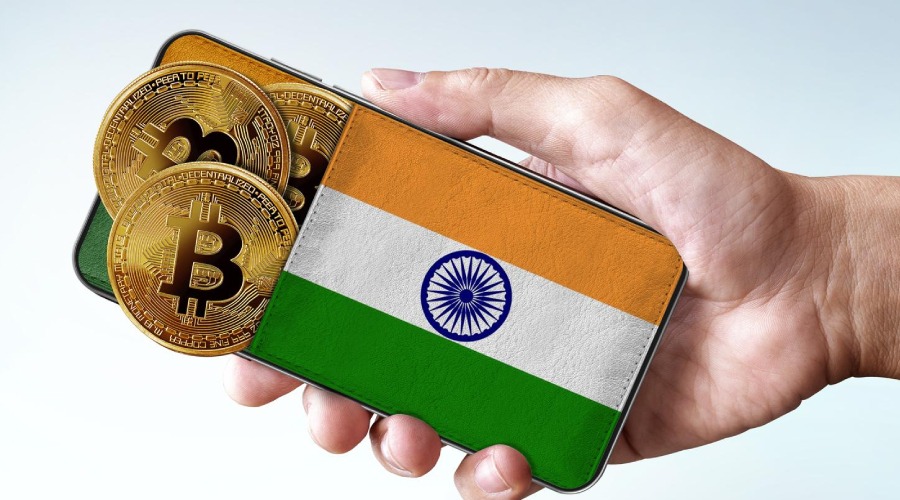
Bitcoin’s strongest rally in three years has lifted trading activity across major Indian crypto exchanges. Bitcoin approached $80,000 before trading near $77,000 on August 24, prompting higher spot and derivatives volumes.
The rise comes amid a wider debate about digital assets in Indian portfolios. BitDelta India CEO Vikaas M. Sachdeva compared the current market with the early mutual fund industry, when many investors also viewed a new product cautiously.
Indian crypto exchanges record higher volumes
CoinDCX said its daily spot trading volume increased from about $5 million to $6 million to roughly $13 million. Bitcoin transactions contributed around $2 million to that total, according to figures the exchange shared.
Mudrex reported a 20% weekly increase in spot volume. Meanwhile, Giottus recorded 22% growth in spot trading and 31% growth in futures activity. The figures show that the Bitcoin rally drew more transactions across several domestic platforms.
WazirX said its daily futures volume rose nearly sevenfold between August 16 and August 22. CoinSwitch also reported stronger interest in Ethereum, XRP, Dogecoin, Shiba Inu and Solana, indicating that activity extended beyond Bitcoin.
The exchanges use different reporting periods and volume measures. Therefore, their percentage changes do not provide a direct market-wide comparison. Still, each platform reported higher participation during Bitcoin’s advance toward $80,000. The data reflects exchange disclosures rather than independent estimates of market activity.
BitDelta CEO compares crypto with mutual funds
Sachdeva said, “Crypto today is where mutual funds were in 1995.” He based the comparison on his experience introducing financial products to investors who had limited knowledge of new asset classes.
He began in merchant banking during the mid-1990s and worked on numerous initial public offerings. He later held senior business development roles at global asset managers and led a domestic asset management company.
Sachdeva also managed a portfolio management service business, another investment firm and a large alternative investment fund. Those roles covered clients investing through Rs.500 systematic plans and investors committing tickets of up to Rs.5 crore.
He initially rejected crypto before reconsidering the asset class. He later concluded that digital assets needed investor education, much like mutual funds during their early expansion. The comparison represents his assessment rather than an established measure of market maturity.
Digital assets seek a portfolio role
Sachdeva’s comments place crypto within a broader portfolio discussion. His career spans mutual funds, portfolio management services and alternative funds, giving him experience with products aimed at different investor groups.
Yet digital assets operate under different price, tax and regulatory conditions. Investors also trade them through exchanges, while mutual funds pool money into professionally managed portfolios. These structural differences limit direct comparisons between the two markets.
India’s regulatory position continues to shape the sector’s development. Sachdeva addressed whether the framework is moving in a positive or negative direction, while exchanges reported stronger activity during the latest price rally.
The latest volume gains show how quickly market participation can respond to a sharp Bitcoin move. They do not establish long-term adoption, because the available figures cover short reporting periods tied to one rally.
For Indian exchanges, the current rise has brought more spot transactions, futures trading and demand for large altcoins. For investors, Sachdeva’s comparison presents crypto as an emerging category that still requires clearer understanding before it gains a defined portfolio position.
Disclaimer : Crypto News India does not recommend that any cryptocurrency should be bought, sold, or held by you. Do conduct your own due diligence and consult your financial advisor before making any investment decisions.
