

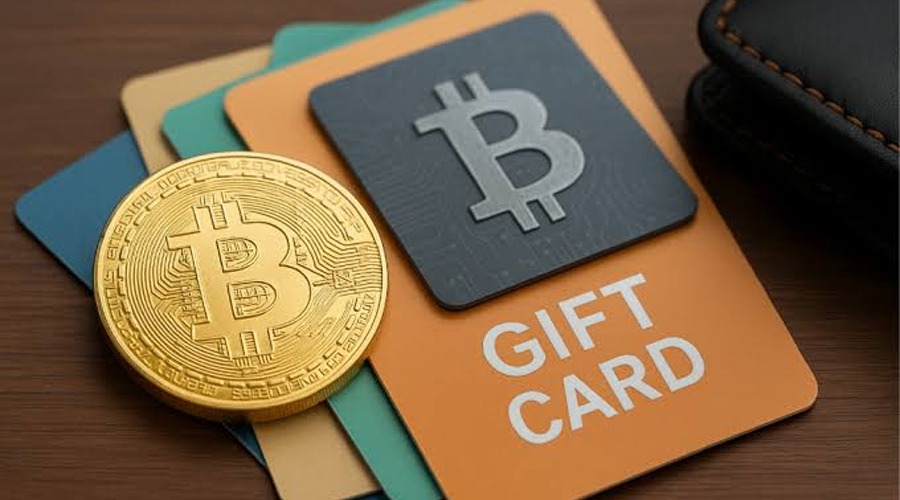
Cryptocurrency is finding an indirect route into everyday spending in India. Overseas gift-card platforms allow users to exchange Bitcoin, Ethereum, USDT and other digital assets for Indian retail vouchers redeemable for groceries, food delivery, fuel and gold.
How the Process Works
The merchant does not accept cryptocurrency directly. Instead, a user pays an overseas platform with crypto and receives a rupee-denominated voucher for an Indian retailer.
The Economic Times reported that this model is being used for purchases ranging from groceries and mobile recharges to fuel and gold, raising questions around cross-border payments, taxation and anti-money-laundering oversight.
Bitrefill’s India storefront illustrates the model. It lists vouchers for Swiggy Money, Blinkit, PhonePe, Zomato and Flipkart, while its catalogue includes Hindustan Petroleum vouchers and Tanishq Gold Coin products. The platform accepts Bitcoin, Ethereum, USDT, USDC, Litecoin, Dogecoin and Solana.
Bitrefill says it offers more than 8,000 products across over 180 countries and has sold more than 16 million gift cards with cryptocurrency.
Why Gift Cards Matter
Gift cards separate the crypto payment from the retail purchase. The overseas service receives the digital asset, while the consumer receives a voucher redeemable within the retailer’s payment system.
This means a supermarket, fuel company or jewelery retailer may never receive or process cryptocurrency itself.
Tax and Regulatory Questions Remain
The mechanism does not remove Indian crypto tax obligations. India’s Income Tax Department states that gains from virtual digital assets are taxed at 30%, plus applicable surcharge and cess. Indian law also provides for a 1% tax deducted at source on qualifying VDA transfers, including transfers made wholly or partly in kind.
The overseas-platform structure has drawn attention as different parts of a transaction may involve crypto, cross-border providers and voucher issuers.
Final Thoughts
Gift-card platforms show how cryptocurrency can reach everyday commerce without retailers directly accepting digital assets. However, convenience does not eliminate taxation, compliance or counterparty risks.
As these services grow, regulators may increasingly examine whether payment, foreign-exchange, tax and anti-money-laundering rules adequately cover crypto-funded vouchers used inside India.
Also Read: Stablecoin Donations Support Nepal’s Prime Minister Disaster Relief Fund
Disclaimer : Crypto News India does not recommend that any cryptocurrency should be bought, sold, or held by you. Do conduct your own due diligence and consult your financial advisor before making any investment decisions.
