

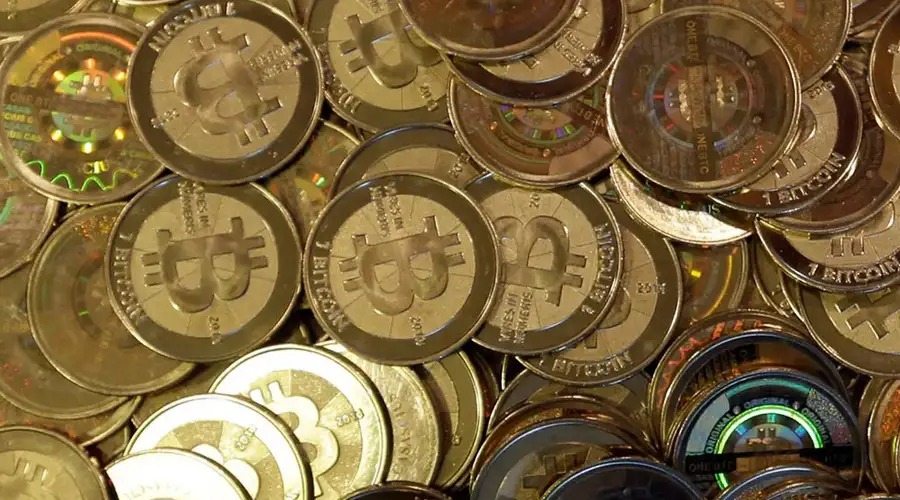
Bitcoin could decline below USD 60,000 as rising Federal Reserve rate hike expectations, weak institutional demand and continued selling pressure weigh on the cryptocurrency, according to market maker Wintermute.
Bitcoin traded near USD 64,300 on November 17 after losing more than 12% over the previous week. The cryptocurrency also fell below its 200-week moving average near USD 68,000, a long-term price level closely watched by traders.
In its November 16 market update, Wintermute warned that Bitcoin could extend its losses unless investor demand improves or expectations for further interest rate increases ease.
Bitcoin Price Risks Falling Below USD 60,000
Wintermute identified USD 62,000 as Bitcoin’s first major downside level after the cryptocurrency briefly approached that price over the weekend. A further decline could bring USD 60,000 into focus, where options traders hold large positions that benefit from falling prices.
The firm linked its outlook to Bitcoin’s failure to maintain its 200-week moving average. This measure tracks the cryptocurrency’s average price over roughly four years and helps traders assess longer-term market direction.
Wintermute warned that continued negative fund flows could push Bitcoin into the USD 50,000 range. However, the firm stopped short of predicting where Bitcoin would reach its lowest price.
The warning follows a broader Bitcoin price decline that pushed the cryptocurrency below USD 62,000 over the weekend. Meanwhile, recent rebounds have failed to restore prices above the long-term moving average.
Fed Rate Hike Expectations Add Pressure to Bitcoin
Wintermute reported that markets assigned roughly a 92% probability to a Federal Reserve interest rate increase in December. The firm linked those expectations to persistent inflation and rising U.S. Treasury yields.
The U.S. Bureau of Labor Statistics reported that core consumer prices increased 0.3% in October, matching the increases recorded in August and September. Wintermute also reported that the 10-year Treasury yield reached 5.15%.
Higher yields can make government bonds more attractive relative to assets such as Bitcoin, which does not provide regular interest payments. Consequently, expectations of tighter monetary policy have become a central part of Wintermute’s bearish outlook.
The firm also identified upcoming Federal Reserve meeting minutes and inflation data as developments that could change market expectations for future rate increases.
Bitcoin ETF Outflows and Weak Demand Limit Recovery
Institutional demand has also weakened. Wintermute estimated that U.S. spot Bitcoin ETFs recorded USD 1.9 billion in net outflows during 2026, compared with USD 21 billion in inflows during 2025.
Meanwhile, Farside Investors data showed that Bitcoin ETFs attracted USD 7.9 million on November 16, ending seven consecutive sessions of withdrawals. The inflow followed USD 185.4 million in redemptions on November 13.
Wintermute also reported that stablecoin supply declined by USD 14 billion to USD 16 billion over 30 days. The firm said buying activity from digital asset treasury companies had weakened alongside retail and institutional demand.
“Every channel across the ETF, DATs, retail and institutional flow is all pointing flat to down,” Wintermute wrote.
However, the firm said its outlook could improve if Bitcoin closes above USD 68,000 while ETFs record net inflows on the same day. A decline in expectations for further Fed rate hikes could also change its position. “We are not trying to call bottoms or lows here as it’s simply not possible,” Wintermute added.
ALSO READ: Bitget Hack Linked Bitcoin Leaves Tracked Wallets as Mixing Accelerates
Disclaimer : Crypto News India does not recommend that any cryptocurrency should be bought, sold, or held by you. Do conduct your own due diligence and consult your financial advisor before making any investment decisions.
