

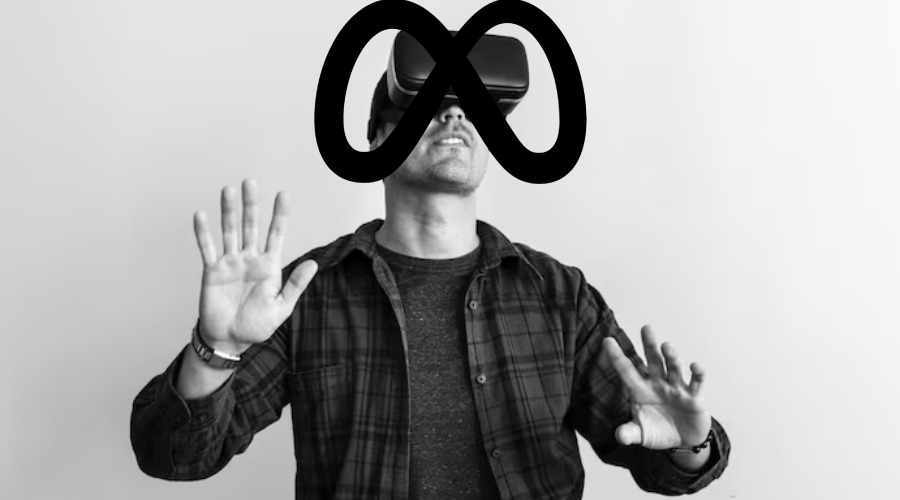
Is the Metaverse Really Dead? Or Just Evolving Quietly
Not too long ago, the metaverse was the word on everyone’s lips. Tech companies were throwing billions at the idea of a fully digital world where people could work, socialise, and spend their lives online. Meta was leading the charge, and the metaverse future felt like something straight out of a sci-fi film, exciting, inevitable, and just around the corner.
What Actually Went Wrong
The honest answer is that the technology got ahead of the people. VR headsets were bulky, expensive, and uncomfortable to wear for more than twenty minutes.
Even the biggest players stepped back. Meta and Google quietly stopped pushing the dream of fully immersive universes and started focusing on something more grounded, weaving mixed reality technology into tools people actually use, from workplace training programmes to gaming and remote team collaboration.
Where It Is Actually Making a Difference
The metaverse did not disappear. It just stopped trying to be everything at once. When you look at the real digital transformation trends shaping industries today, it is showing up in places that matter:
- Workplace training and simulations – companies cutting costs while improving how staff learn
- Gaming – still the strongest and most natural home for immersive tech
- Remote collaboration – hybrid teams slowly warming up to virtual workspaces
Legal Trouble Has Forced a Rethink
This is where things get serious. The growing backlash against addictive platform design has not gone unnoticed by regulators. Meta Google fines 2026 signal that governments are no longer willing to look the other way. Social media addiction lawsuits are stacking up, and companies are now being held accountable for how their platforms affect users, especially children and teenagers.
So What Comes Next?
The metaverse is not gone. It has just stopped chasing applause. The next chapter will not make front-page news every week. But it will quietly matter more than the hype ever did. And honestly, after everything that has come out around social media addiction lawsuits and the pressure on big tech to do better, a slower and more thoughtful approach to innovation might be exactly what this industry needs.