

What Is a Crypto Wallet and How Does It Work? Types, Private Keys, Security, and Why It Matters in 2026
With the growing adoption of cryptocurrency around the globe, crypto wallets have become an integral component of the digital asset economy. Triple-A estimated that more than 560 million people globally owned digital currencies in 2024, while India was in the top three in the 2025 Global Crypto Adoption Index by Chainalysis.
A crypto wallet is a tool that allows users to store, manage and interact with digital currencies like Bitcoin and Ethereum. Instead of holding the actual coins, a wallet stores your cryptographic keys, which give users access to the cryptocurrency recorded on a blockchain.
How Crypto Wallets Work
All cryptocurrency wallets use a public key and a private key. The public key is used to create a wallet address, similar to an account number, which can be shared with others to receive funds. The private key is similar to a password or a digital signature. It validates transactions and proves that the assets attached to that wallet address belong to the user.
The private key is used to sign a crypto user’s transaction when the user sends crypto. It is then published on the blockchain network, where miners or validators validate it. In most cases, if the transaction is confirmed, it cannot be reversed and is recorded on the public ledger.
This is the reason it is essential to have security with private keys. Someone who forgets their private key or recovery phrase might never be able to access their funds again. A hacker can obtain the private key and then transfer the crypto without the need for banking clearance or account recovery.
Types of Crypto Wallets
Hot wallets are those that are connected to the Internet and typically accessed via mobile apps, browser extensions, or exchange accounts. They offer ease of use for transactions, trading, staking, and engaging with decentralized applications.
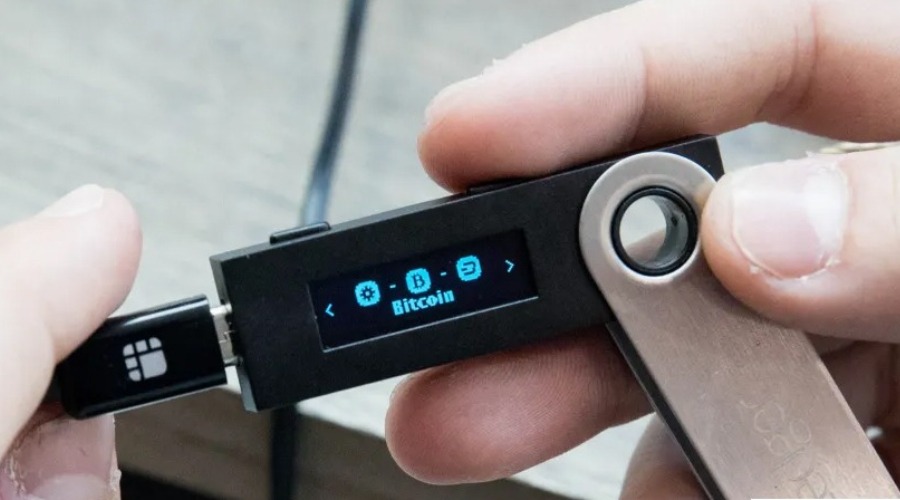
Cold wallets, however, are offline. These range from paper wallets to hardware wallets. They are believed to be safer to store for a longer period of time as they are less vulnerable to cyber attacks. They need to be carefully managed with backups and may not be as easy to use for daily tasks.
Wallets might be custodial or non-custodial. A custodial wallet is managed by a third-party service, such as a cryptocurrency exchange. In this setup, the provider holds and protects the private keys, meaning they technically control your funds on your behalf.
A non-custodial wallet puts you in full control of your private keys, making you the sole owner of your crypto. No third party can freeze, access, or manage your funds.
Also Read: Best Bitcoin Wallets for Beginners: How to Store BTC Safely
Why Crypto Wallets Matter
A key aspect of crypto wallets is their ability to enable users to engage directly in blockchain-based financial activities. Global retail crypto activity continues to be robust, with TRM Labs estimating $979 billion of retail crypto activity in Q1 2026. Meanwhile, CoinMarketCap revealed that the total market value of the global cryptocurrency market stands at $2.18 trillion, confirming the volume of assets that have been safeguarded via wallets and exchanges.
For beginners, the best wallet depends on the purpose. Hot or custodial wallets are better suited for active traders due to their ease of use. Hardware or cold wallets might be better for long-term storage due to their security. It is best to have small amounts in easily accessible wallets and store larger amounts offline.
FAQs:
- What is a crypto wallet?
A crypto wallet is a digital tool that helps users access, send, receive, and manage cryptocurrencies. It does not store actual coins but stores private keys that unlock assets recorded on the blockchain. - How does a crypto wallet work?
A crypto wallet works through public and private keys. The public key helps receive crypto, while the private key signs and approves transactions on the blockchain network. - What is the difference between a hot wallet and a cold wallet?
A hot wallet is connected to the internet and is useful for trading, payments, and daily access. A cold wallet stays offline and is generally preferred for long-term storage and stronger security. - What is the difference between custodial and non-custodial wallets?
In a custodial wallet, a third-party platform manages the private keys for the user. In a non-custodial wallet, the user controls the private keys and has full ownership of the crypto. - Are crypto wallets safe for beginners?
Crypto wallets can be safe if users protect their private keys, enable security features, and avoid phishing links. Beginners may start with small amounts and use cold wallets for larger long-term holdings.
Disclaimer : Crypto News India does not recommend that any cryptocurrency should be bought, sold, or held by you. Do conduct your own due diligence and consult your financial advisor before making any investment decisions.
