

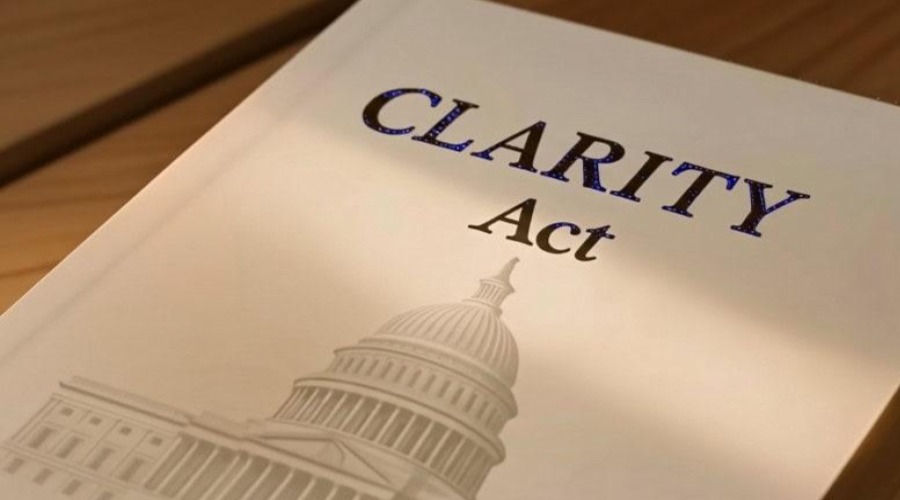
The CLARITY Act missed its July 4 target but remains active as Senate talks continue before the August 7 recess. Ethics rules tied to Trump’s crypto income, developer protections, and limited floor time remain key hurdles.
The CLARITY Act missed the July 4 signing goal earlier floated by White House crypto adviser Patrick Witt, but the crypto market structure bill remains active in Congress. Lawmakers now face a tighter timeline before the Senate leaves Washington for its summer recess on August 7.
The bill aims to set clearer rules for digital assets by defining when federal oversight falls under the Securities and Exchange Commission or the Commodity Futures Trading Commission. Supporters say the measure could give crypto firms a clearer legal path, while critics want stronger ethics and enforcement language before a final vote.
Senate Faces Tight Calendar Before August Recess
The July 4 target passed without a Senate floor vote, leaving the bill caught between policy talks and limited floor time. Witt had earlier framed the date as a goal, saying, “We’re targeting July 4th. I think that would be a tremendous birthday present for America.” His use of “I think” left room for doubt, and the deadline passed without final action.
The next key date is August 7, the Senate’s final working day before lawmakers leave for recess. People following the process say there is still a realistic chance the bill could move before then. Even so, the Senate would need to finish merging committee versions, debate the bill, invoke cloture, and hold a final vote.
Republicans hold 53 Senate seats, meaning they need at least seven Democratic votes to reach the 60-vote cloture threshold. That vote count remains central to the bill’s path. Senate staff are reportedly working to combine language from the Senate Banking Committee and Senate Agriculture Committee versions.
If the Senate passes the bill, it would still need to return to the House for approval before reaching President Donald Trump’s desk. That step adds pressure, as House delays on other legislation have raised questions about how fast the chamber can act.
Ethics Dispute Keeps Negotiations Under Pressure
The main dispute centers on ethics rules for senior government officials and their families. Democrats have called for enforceable limits to prevent officials from profiting from crypto businesses while shaping digital asset rules.
Trump’s 2025 financial disclosure added fresh attention to the issue. The filing showed about $2 billion in income last year, with nearly $1.4 billion linked to crypto-related ventures, including the TRUMP memecoin and World Liberty Financial. He also disclosed more than $100 million in crypto holdings.
Senator Elizabeth Warren said the bill should block senior officials and their families from profiting from the crypto sector while they influence regulation. Senator Ruben Gallego also said he wants enforceable ethics language before backing the bill on the Senate floor.
Republicans have pushed back against language targeting a single officeholder. The White House has indicated it may accept rules that apply broadly, but not provisions written only around Trump. That position leaves negotiators searching for wording that can attract Democratic votes while still remaining acceptable to the administration.
Developer Rules and House Add Risk
Another unresolved issue involves protections for software developers. Some crypto firms and industry groups want safeguards for non-custodial developers, arguing that writing code should not automatically trigger registration duties.
Law enforcement groups have raised concerns about broad carve-outs. Prosecutors warned that some exemptions could make it harder to investigate, trace, and prosecute crypto-linked crime. Meanwhile, recent support from certain law enforcement bodies has eased part of that resistance, according to reports.
House delays add another layer of uncertainty. Representative James Comer recently criticized the Senate over stalled election legislation, saying, “The clock is ticking.” His comments were about the SAVE America Act, but they reflected broader frustration over bills awaiting Senate action.
For the crypto sector, the August 7 deadline now carries the most weight. The CLARITY Act has cleared more ground than earlier digital asset market structure efforts, but it still needs floor time, a Senate vote, House approval, and a final signature. Without action before the recess, the bill’s path could become harder as lawmakers shift toward midterm election campaigns.
Disclaimer : Crypto News India does not recommend that any cryptocurrency should be bought, sold, or held by you. Do conduct your own due diligence and consult your financial advisor before making any investment decisions.
