

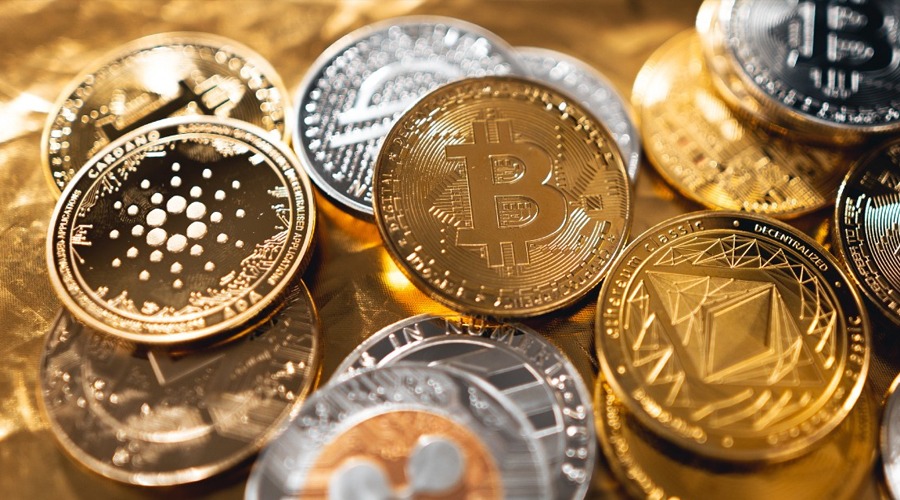
Cryptocurrency has evolved from an internet experiment to a mainstream financial asset. In 2026, digital assets are no longer used by just tech enthusiasts; retail investors, institutions, and traditional financial firms are also actively participating in the crypto market. According to industry estimates, more than 741 million people hold cryptocurrencies globally, and the total market capitalization of crypto stands at $2.2 trillion.
What is Cryptocurrency?
Cryptocurrency is a digital currency that works on a distributed blockchain network and is not governed by any central authority, such as a bank or government, to confirm and record transactions. The network is transparent and secure, with all transactions protected by cryptography and recorded on a decentralized ledger.
Bitcoin (BTC) is the leading cryptocurrency by market capitalization, and Ethereum (ETH) is the most popular platform for decentralized applications, smart contracts, and decentralized finance (DeFi).
What Should Your First Portfolio Look Like?
A portfolio that is anchored by Bitcoin and Ethereum, and doesn’t have more than 2 or 3 assets, is ideal for a beginner. BTC’s fixed supply of 21 million coins and liquidity make it an ideal long-term hold.
Most beginners can start with a 60-70% allocation to Bitcoin. Ethereum is one of the largest and most valuable assets owned. An allocation of 20-30% for Ethereum gives you meaningful exposure to the broader ecosystem without concentration risk.
What are the Ways of Buying Crypto Safely?
The most convenient method to begin is to open a profile on a regulated cryptocurrency exchange. Users go through the “Know Your Customer” (KYC) process, deposit money using bank transfer or card, and then buy digital assets.
Once investors purchase crypto, they can either:
- Hold assets on the exchange.
- Move them to a software wallet for easy access.
- Use a hardware wallet for enhanced long-term security.
Investors should always turn on two-factor authentication (2FA), use a strong password, and avoid giving out wallet recovery phrases.
If you’re in Europe, be sure to seek out platforms that are MiCA compliant or regulated by national financial regulators.
Why is Cryptocurrency Rising?
Adoption by institutions has grown tremendously in recent years. Meanwhile, spot Bitcoin ETFs have made it easier for investors to get regulated exposure to Bitcoin without having to buy it directly, as the large asset managers keep expanding digital asset offerings.
Additionally, blockchain technology is being used in other areas beyond investing, such as payments, gaming, tokenization, decentralized finance, and supply chain management.
Also Read: Bitcoin Mining Explained: Is it Legal and Profitable in India?
Risks Beginners Should Know
Cryptocurrencies are gaining popularity, but they are still volatile. Significant price fluctuations can be caused by macroeconomic events, regulatory changes, security breaches, and investor sentiment.
Beginners should not invest money that they cannot lose and should diversify their portfolios, do thorough research on projects, and avoid money-making schemes that guarantee absolute profit.
Final Thoughts
Cryptocurrencies offer investors a chance to tap into one of the most rapidly expanding areas of financial technology, but it’s not without risk. There are several key aspects that anyone investing in blockchain in 2026 should understand: blockchain basics, trading with reputable exchanges, the importance of digital wallets, and the need for a long-term investment strategy.
FAQs:
1. What is the best cryptocurrency for beginners in 2026?
Bitcoin is widely considered the best starting point for its market leadership, strong liquidity, and fixed supply. Ethereum is another popular choice for its role in decentralized applications and smart contracts.
2. How much should a beginner invest in cryptocurrency?
Invest only what you can comfortably afford to lose. Many financial experts recommend starting with a small amount while learning about the market before increasing your exposure over time.
3. Is it safe to keep cryptocurrency on an exchange?
Reputable exchanges offer strong security measures, but long-term investors often prefer hardware wallets for greater protection. Always enable two-factor authentication (2FA) and never share your wallet’s recovery phrase.
4. Why are Bitcoin and Ethereum considered the safest crypto investments?
Bitcoin has the largest market capitalization and a proven track record, while Ethereum powers a large ecosystem of decentralized applications. Their widespread adoption makes them relatively less risky than many smaller cryptocurrencies.
5. What are the biggest risks for new cryptocurrency investors?
The biggest risks include high price volatility, scams, phishing attacks, regulatory changes, and poor security practices. Proper research, portfolio diversification, and secure wallet management can help reduce these risks.
Disclaimer : Crypto News India does not recommend that any cryptocurrency should be bought, sold, or held by you. Do conduct your own due diligence and consult your financial advisor before making any investment decisions.
