

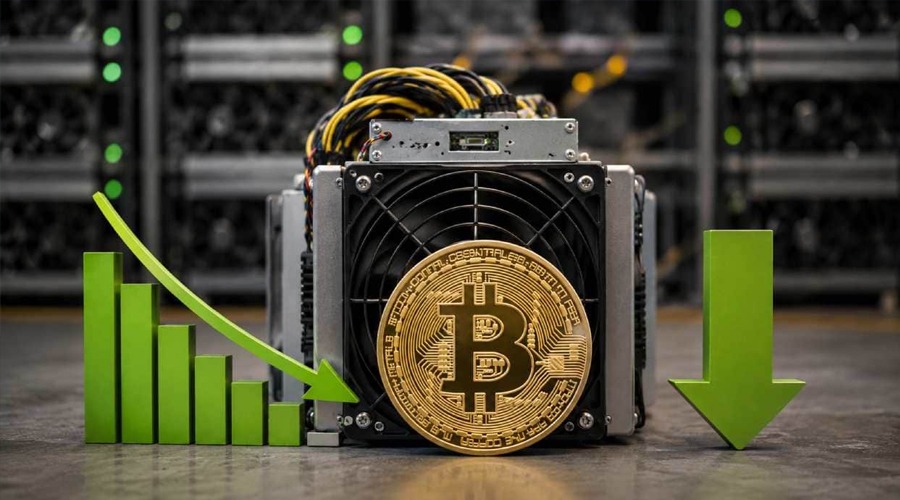
Bitcoin mining is the process through which transactions are verified and added to the Bitcoin blockchain. Miners use specialized computing equipment to repeatedly process block data until one machine produces a valid cryptographic result. The successful miner receives newly issued Bitcoin and transaction fees.
Bitcoin relies on a Proof-of-Work system, making mining highly energy-intensive. As competition and mining difficulty have increased, the industry has shifted from ordinary computers to large facilities using efficient hardware and low-cost electricity.
Is Bitcoin Mining Legal in India?
Bitcoin mining is not specifically prohibited under Indian law as of 2026. However, India does not have a dedicated regulatory framework defining mining activity, licensing requirements, or operational standards. It therefore operates in a legally permitted but uncertain environment.
The government has focused primarily on regulating virtual digital assets through taxation, reporting requirements and anti-money laundering rules. Crypto exchanges serving Indian users are also expected to comply with Financial Intelligence Unit-India requirements.
Tax treatment is an important consideration. Income generated from transferring virtual digital assets is generally taxed at 30%, while 1% tax deducted at source may apply when mined coins are sold through an exchange, subject to applicable thresholds.
However, current details on how mining rewards are taxed at the time of receipt are not clear. Some interpretations treat mined coins as income at their fair market value, while others classify mining rewards under income from other sources and apply the taxpayer’s slab rate. Miners should therefore consult a qualified tax professional before calculating liabilities.
Can Bitcoin Mining be Profitable?
Profitability depends on four major factors: electricity prices, hardware efficiency, Bitcoin’s market price and network difficulty.
Residential electricity tariffs in India commonly range from around Rs. 5 to Rs. 9 per kilowatt-hour, according to the supplied information. At these rates, running modern ASIC mining machines continuously can create substantial power costs. Cooling systems, maintenance, imported hardware taxes, and equipment replacement add further expenses.
CPU mining is generally uneconomical for BTC. GPU rigs offer greater flexibility but are not efficient enough to compete seriously in Bitcoin mining. ASIC machines provide the highest performance because they are designed specifically for Bitcoin’s SHA-256 algorithm, although their upfront cost can run into several lakhs.
Mining pools allow individuals to combine computing power and receive smaller, more regular payouts. Solo mining, by comparison, offers a low probability of earning an entire block reward.
Also Read: Bitcoin Explained: Everything Beginners Need to Know Before Investing
Cloud Mining Carries Additional Risks
Cloud mining allows users to rent computing power from a remote facility. While it removes the need to purchase hardware, it creates counterparty risk. Platforms may exaggerate returns, charge hidden fees, or disappear with customer funds.
Promises of fixed daily returns should be treated cautiously because real mining revenue changes with Bitcoin prices, network difficulty, and electricity expenses.
Final Verdict
Bitcoin mining is legally possible in India, but it is rarely profitable for ordinary residential users. High power costs, taxation, cooling requirements and hardware obsolescence make direct Bitcoin purchases more practical for many investors. Mining becomes more viable only with efficient ASIC equipment, inexpensive electricity and professional-scale infrastructure.
FAQs:
- Is Bitcoin mining legal in India in 2026?
Bitcoin mining is not specifically prohibited under Indian law. However, India does not yet have a dedicated framework governing mining licences, operating standards or the treatment of all mining-related activities. - How does Bitcoin mining work?
Miners use specialised computers to verify transactions and solve cryptographic puzzles under Bitcoin’s Proof-of-Work system. The successful miner adds a block to the blockchain and earns Bitcoin plus transaction fees. - Is Bitcoin mining profitable for individuals in India?
Mining is usually difficult to make profitable at residential electricity rates of around Rs. 5 to Rs. 9 per kilowatt-hour. Hardware, cooling, maintenance, and rising mining difficulty further reduce potential returns. - What hardware is needed to mine Bitcoin?
Bitcoin mining now generally requires ASIC machines designed specifically for the SHA-256 algorithm. CPUs and ordinary GPU rigs cannot compete efficiently with industrial-scale mining operations using modern equipment. - Is cloud mining a safe alternative?
Cloud mining removes the need to purchase hardware, but it creates serious counterparty risks. Unregulated platforms may charge hidden fees, exaggerate returns or disappear, leaving users with little legal recourse.
Disclaimer : Crypto News India does not recommend that any cryptocurrency should be bought, sold, or held by you. Do conduct your own due diligence and consult your financial advisor before making any investment decisions.
