

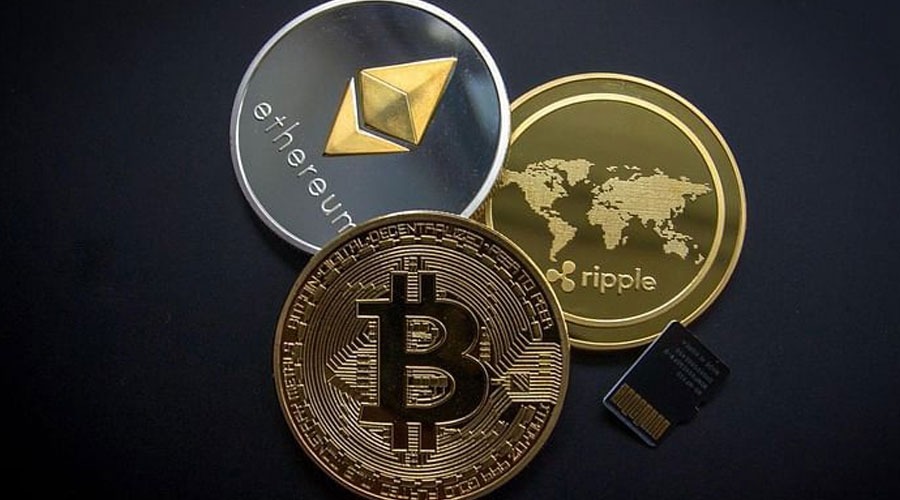
Gifting Bitcoin, Ethereum or another cryptocurrency is legally allowed in India, but the tax treatment depends heavily on who receives the asset and when it is eventually sold.
According to Pranav Pagaria, Head of Finance & Strategy at CoinDCX, “Yes, crypto can be legally gifted in India.” Crypto assets are treated as Virtual Digital Assets, or VDAs, under India’s tax framework.
When Crypto Gifts are Tax-Free
Pagaria explained that “under Section 56(2)(x) of the Income Tax Act, 1961 or under Section 92(3) of the Income Tax Act, 2025, gifts received from specified relatives are fully exempt, with no monetary ceiling.”
Specified relatives include spouses, siblings, parents, children, grandparents, grandchildren and certain relatives of the taxpayer’s spouse.
For example, if a father gifts Bitcoin worth Rs. 12 lakh to his child, no tax arises simply since the gift was received. Gifts received on marriage, through inheritance, under a will or in contemplation of the donor’s death are also exempt regardless of value.
Non-Relative Gifts Can Become Taxable
The rules change when crypto comes from someone who is not a specified relative. If the total value of such gifts exceeds Rs. 50,000 during a financial year, the entire value becomes taxable as Income from Other Sources at the recipient’s applicable slab rate.
A Rs. 75,000 Ethereum gift from a colleague, for instance, could result in the full Rs. 75,000 is being added to taxable income. Transfers involving an Indian resident and an NRI may also need to comply with FEMA requirements.
Selling Gifted Crypto Creates Another Tax Event
For tax-exempt gifts, the donor’s original purchase cost generally becomes the recipient’s acquisition cost.
If a father bought 0.1 BTC for Rs. 20 lakh, gifted it when it was worth Rs. 50 lakh, and the recipient later sold it for Rs. 80 lakh, the taxable gain would be Rs. 60 lakh.
At the 30% VDA tax rate, that produces a tax of Rs. 18 lakh, before surcharge and cess. Any applicable 1% TDS can be claimed as credit. Pagaria stressed that “the original cost of acquisition becomes critical.”
For taxable gifts from non-relatives, he added that “the fair market value on the date of the gift becomes the cost of acquisition.”
Also Read: India Crypto Tax Rules Keep 30% Levy as Transaction Reporting Expands
ITR Reporting and Documentation Matter
According to Pagaria, “India’s ITR framework requires transaction-wise reporting of VDAs.” When gifted crypto is later sold, the transaction should be reported under Schedule VDA.
Taxpayers should preserve exchange statements, wallet addresses, transaction hashes, valuation records and a gift deed. If the crypto is held on a foreign platform or wallet, Schedule FA disclosure may also apply.
The key takeaway is simple: crypto gifting is permitted, but tax treatment depends on the relationship between donor and recipient, the original acquisition cost and proper documentation.
Disclaimer : Crypto News India does not recommend that any cryptocurrency should be bought, sold, or held by you. Do conduct your own due diligence and consult your financial advisor before making any investment decisions.
