

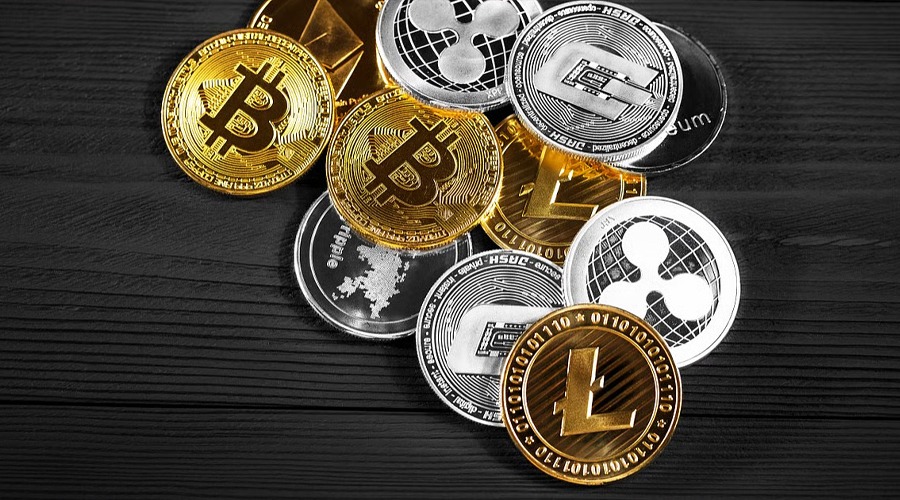
Crypto exchanges connect buyers and sellers of digital assets, handling trillions in trades through centralized and decentralized platforms. This guide breaks down how they work, how they earn fees, and what keeps your crypto secure.
Overview:
- Crypto exchanges connect users with digital asset markets through CEXs and DEXs.
- Derivatives now account for a much larger share of crypto trading than spot markets.
- When choosing an exchange, consider fees, liquidity, security, regulation, and supported assets.
Buying Bitcoin for the first time raises an obvious question. Where does this trade actually happen? Stocks trade on a single regulated exchange like the NYSE. Cryptocurrencies do not work that way. They move through a web of digital marketplaces built for this purpose. These are called crypto exchanges.
The scale here is massive. According to TokenInsight data, centralized exchanges processed nearly USD 17.9 trillion in trading volume in the first quarter of 2026 alone. This shows how central these platforms have become as they connect everyday investors to a market that never sleeps.
What is a Crypto Exchange
A crypto exchange lets users buy, sell, and trade digital assets. It functions much like a stock brokerage. Instead of shares, it lists tokens such as Bitcoin and Ethereum. The exchange matches buyers with sellers. It also converts cash into crypto, or swaps one coin for another.
Most platforms fall into two categories.
Centralized Exchanges (CEX)
- A company manages the order book and holds user funds
- Binance, Coinbase, and OKX are leading examples
- These platforms offer strong liquidity and fast trade execution
Decentralized Exchanges (DEX)
- Smart contracts run the platform, with no central operator
- Uniswap and PancakeSwap fall under this category
- Users keep full control of their wallets during every trade
Decentralized platforms have made real progress lately. Uniswap and PancakeSwap both entered the top ten global spot exchanges by volume. This happened between August 2025 and January 2026. On-chain trading now competes directly with the biggest centralized names.
How a Crypto Exchange Works
The process behind a crypto exchange is simple once broken into steps.
- Sign Up and Verify Identity: Users complete checks required under anti-money laundering rules.
- Fund the Account: Traders deposit cash through banks or cards, or send crypto from another wallet.
- Place an Order: Buy and sell orders enter the order book. The system matches compatible prices.
- Execute the Trade: Once matched, the exchange settles it. Both balances update instantly.
- Withdraw Funds: Users move crypto to a private wallet, or convert it back to cash.
A matching engine handles this work behind the scenes. It pairs thousands of orders every second. Market makers keep prices steady by placing orders on both sides of the book.
Also Read: 10 Safest Crypto Exchanges Ranked by Security
Spot Trading vs Derivatives
Exchanges usually split their offerings into two markets. Spot trading means buying or selling an asset for immediate delivery. Derivatives work differently. Futures and perpetual contracts let traders bet on price moves. They never need to own the actual coin.
Derivatives have pulled far ahead of spot trading. CoinMarketCap tracked twelve platforms in April 2026. Derivatives volume stood at 5.38 times spot volume. Professional and leveraged trading now drive most exchange activity.
Perpetual decentralized exchanges have also grown fast. Their share of total volume nearly tripled in two years. It rose from 2.9% in April 2024 to 8.0% in April 2026.
How Exchanges Earn Revenue
Crypto exchanges make money through several channels.
- Trading fees on every buy or sell order
- Withdrawal fees when assets leave the platform
- Listing fees charged to new crypto projects
- Fees tied to margin and futures positions
- Staking and lending services that share yield with users
Competition has squeezed fees across the industry. Many exchanges now push into new products instead. Tokenized stocks and traditional assets are one example. Trading volume in these crypto-based assets hit 1.45 trillion dollars in the first half of 2026. That is nearly ten times the volume from all of 2025.
Regulation and Security
Rules differ sharply from one region to another. This gap remains a major challenge for the industry. Licensing requirements in the United States, the European Union, and parts of Asia vary a lot. Exchanges must adjust their compliance work in each market separately.
Security matters just as much. Trusted exchanges store most user funds in cold wallets. They also use multi-factor authentication and regular audits. Institutional interest has grown steadily through 2026 as well. Asia-Pacific held 42.9% of global exchange market share in 2025. That makes it the largest trading hub worldwide.
Also Read: Crypto Wallets Explained: How to Store Cryptocurrency Safely in 2026
Choosing the Right Exchange
A few practical factors matter before picking a platform.
- Regulatory standing in the user’s home country
- Trading fees and withdrawal costs
- Liquidity available for the assets they want
- A clean security track record
- The range of supported coins and trading pairs
New investors should start with an established centralized exchange. Managing private wallets on decentralized platforms takes more experience. The learning curve is steeper for beginners.
Final Words
Crypto exchanges are no longer simple marketplaces for buying Bitcoin. They now support spot trading, derivatives, tokenized assets, and institutional order flow worth trillions each quarter. Understanding how they work gives investors a clearer view of their own trades.
Competition between centralized and decentralized platforms continues to grow. As a result, users benefit from better pricing, stronger security, and wider asset choice. Anyone entering this market should choose an exchange carefully, as it shapes every transaction that occurs.
FAQs
1. What is the main difference between a centralized and decentralized exchange?
A centralized exchange is run by a company that manages funds and matches trades for users. A decentralized exchange relies on smart contracts, letting users keep control of their own wallets throughout each transaction.
2. Are crypto exchanges safe to use?
Established exchanges rely on cold storage, multi-factor authentication, and regular security audits to protect user funds. That said, safety standards vary widely, so checking a platform’s track record before depositing money remains essential for every investor.
3. How do crypto exchanges make money?
Exchanges earn revenue through trading fees, withdrawal charges, and listing fees from new projects. They also collect fees on margin and futures trades, plus a share of yield from staking and lending services offered to users.
4. What is the difference between spot and derivatives trading?
Spot trading means buying or selling an asset for immediate delivery at the current price. Derivatives, including futures and perpetual contracts, let traders speculate on price movement without ever owning the underlying cryptocurrency themselves.
5. Which region dominates global crypto exchange trading?
Asia-Pacific held 42.9% of global crypto exchange market share in 2025, making it the largest regional center for trading activity. This dominance reflects strong retail participation and expanding institutional interest across major Asian markets.
Disclaimer : Crypto News India does not recommend that any cryptocurrency should be bought, sold, or held by you. Do conduct your own due diligence and consult your financial advisor before making any investment decisions.
