

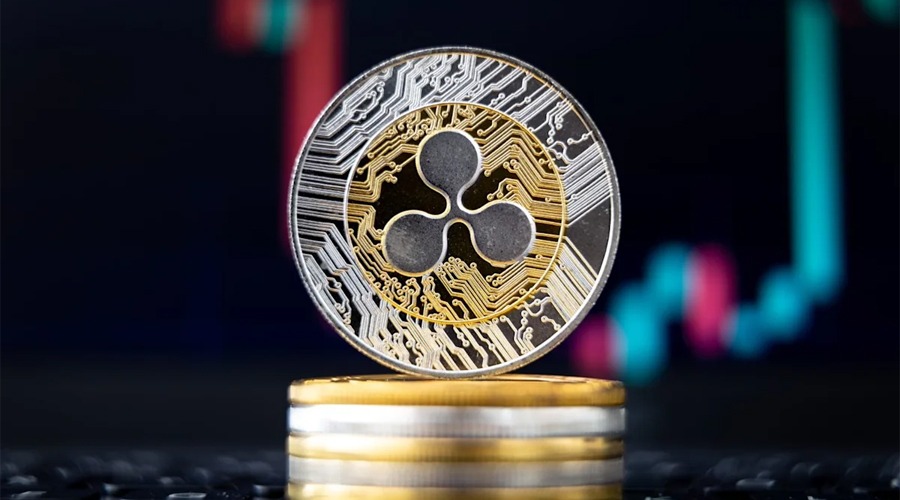
Turkey’s large cryptocurrency market is becoming an increasingly important target for Ripple as banks and exchanges expand regulated digital-asset services amid persistent pressure on the Turkish lira.
According to Chainalysis, Turkey recorded nearly USD 200 billion in annual cryptocurrency transaction volume in an analysis published on October 23, 2025. Cumulative crypto inflows reached approximately USD 878 billion between early 2021 and mid-2025, highlighting the scale of domestic participation.
Ripple said on October 5 that Turkish consumers and institutions are gaining greater access to crypto custody and dollar-backed assets through partnerships with Garanti BBVA and local exchanges.
Reece Merrick, Ripple’s managing director for the Middle East and Africa, stated, “We’re seeing genuine demand for regulated, dollar-backed liquidity, and that’s why stablecoins like RLUSD matter here in a very practical way.”
Banking Rules Reshape Crypto Access
Turkey has progressively tightened oversight of the sector. Legislation effective July 2, 2024 brought crypto service providers under Capital Markets Board supervision, while rules introduced on March 13, 2025 established operational, capital, and anti-money laundering requirements.
New safekeeping requirements took effect in June, according to Ripple’s October assessment, as authorized custodians continue developing services under the evolving framework.
Garanti BBVA Kripto represents a key part of Ripple’s institutional strategy. The bank’s digital-asset subsidiary uses Ripple Custody alongside IBM technology to secure customer assets and private keys.
BBVA confirmed the partnership in October 2024 after a 2023 pilot, and the service was subsequently extended across its customer base. Supported assets include Bitcoin, Ether and XRP, with customers able to store, transfer and convert digital assets.
RLUSD Expands Through Turkish Exchanges
Ripple is also building distribution for its dollar-backed RLUSD stablecoin. On June 2, the company announced availability through BiLira, Bitexen and Bitlo, while its October assessment specifically highlighted BiLira and Bitlo.
RLUSD is issued by Standard Custody & Trust Company under New York Department of Financial Services oversight. Ripple says its framework includes segregated reserves and recurring independent attestations.
For Turkey, regulated custody and dollar-backed stablecoins could broaden institutional crypto access. However, adoption will depend on regulatory implementation, reserve confidence and whether banks and exchanges can integrate these products while meeting increasingly demanding compliance standards.
Also Read: India Supports Blockchain Technology as RBI Flags Crypto Risks
Disclaimer : Crypto News India does not recommend that any cryptocurrency should be bought, sold, or held by you. Do conduct your own due diligence and consult your financial advisor before making any investment decisions.
