

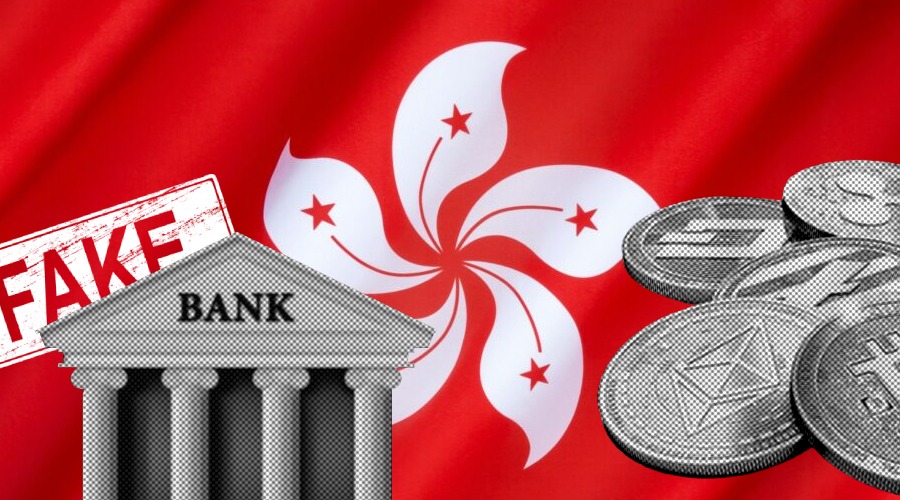
Fake HSBC and HKDAP stablecoins surface in Hong Kong despite zero official launches, as HKMA warns investors, highlighting a $315B market vulnerability, 5.6% licensing approval rate, and rising risks of bank-branded crypto scams globally.
Hong Kong witnessed a new kind of advanced crypto deceit in which counterfeit stablecoins posing as large financial institutions have found their way into the market. The Hong Kong Monetary Authority (HKMA) has issued a warning after tokens with the label HKDAP and HSBC appeared, even though no official launches were made by licensed issuers.
This comes weeks after Hong Kong awarded its first licensed rollout of regulated digital assets to HSBC and Anchorpoint Financial, marking a crucial step towards a regulated rollout of digital assets in the region.
A New Kind of Crypto Scam
In contrast to the usual types of crypto frauds, where a fraudster relies on unrealistic promises and a team of anonymous individuals, the type of fraud in question builds on the credibility of an institution.
The application of a well-known bank name reduces the level of suspicion among retail investors to a considerable degree. With HSBC handling over $3.2 trillion in assets and having a long history of more than 160 years, the brand becomes a means of misrepresentation.
“Members of the public should stay vigilant against fraudulent activities or scams that are purported to be associated with the licensees or their stablecoin issuance,” the HKMA said.
Data Highlights the Timing Vulnerability
The fraud has emerged as a key gap between licensing and the launch of the product. Although HSBC intends to launch a Hong Kong dollar-backed stablecoin in the second half of 2026, Anchorpoint aims to have a gradual rollout that starts in the second half of 2026. To date, neither of the two entities has made the release of tokens public.
This timing creates a vulnerability where awareness of legitimate licensing exists, but verification mechanisms are not yet widely adopted by the users. Based on the available market data, the stablecoin market is estimated to be worth around $315 billion, with players such as Tether and Circle dominating the market. Stablecoins issued by banks are still in infancy and so they are the best targets of impersonation.
Also Read: Lucknow Elderly Man Loses Rs 1.15 Cr in Crypto Scam Running Since 2019
Regulatory Framework vs Market Reality
Hong Kong has established one of the most stringent stablecoin regulatory regimes, with only 2 approvals out of 36 applicants, a 5.6% approval rate. The framework requires complete reserve support, identity check, and continuous disclosures. The violators are fined up to HK $5 million and sentenced up to seven years in prison.
Despite these measures, the appearance of fake tokens points to the inability of regulatory enforcement to act in decentralized markets. The token name can be replicated immediately, which brings about a discrepancy between the institutional control and the level of accessibility offered by blockchains.
Disclaimer : Crypto News India does not recommend that any cryptocurrency should be bought, sold, or held by you. Do conduct your own due diligence and consult your financial advisor before making any investment decisions.
