
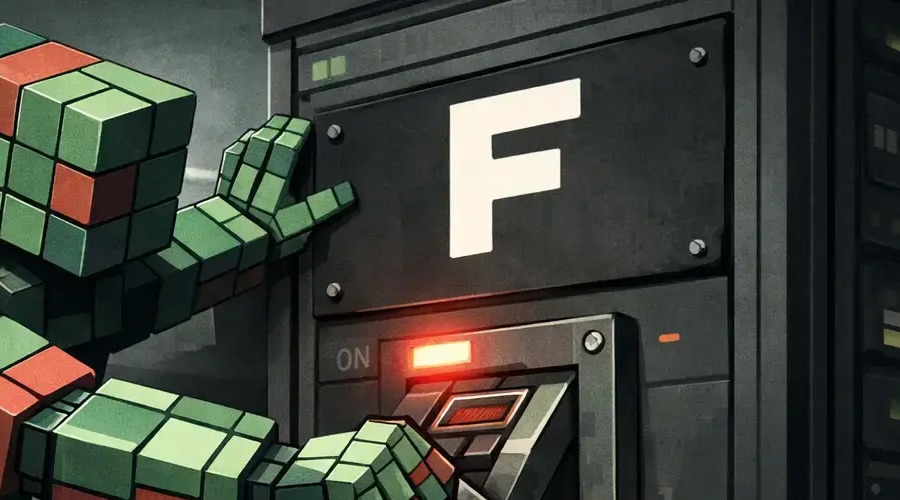
Foundation NFT marketplace will shut down after its acquisition deal with Blackdove collapsed, forcing the Ethereum-based platform to halt operations while allowing users to withdraw assets amid a broader slowdown in NFT marketplaces.
Once a key player in the NFT boom, the Ethereum-based platform Foundation will wind down operations after a proposed acquisition by Blackdove fell through, highlighting ongoing challenges in sustaining NFT marketplaces despite continued user interest in digital assets.
Founder and CEO Kayvon Tehranian confirmed that the company could not continue operations sustainably after negotiations with Blackdove ended without a deal. He said the team explored multiple options but failed to secure a sustainable path forward.
How Will Users Recover Their Assets?
Foundation said it will briefly restore its platform to allow users to delist NFTs and withdraw their assets. The company clarified that NFTs remain in a non-custodial smart contract, though its frontend served as the primary interface.
Tehranian said the team is working on a simpler withdrawal process and will share detailed instructions soon. He acknowledged users’ disappointment but expressed confidence in the community’s resilience.
Why did Foundation matter during the NFT boom?
Foundation was founded in 2021; however, its fame grew after the market saw an increase in the value of artwork tokens. Among the many sold artworks on the platform was ‘Everydays: The First 5000 Days’ for over $69 million at Christie’s.
Foundation recorded over $230 million in primary sales and offered art by renowned artists such as Jen Stark, James Jean, and Reuben Wu.
Will this be the beginning of the NFT platform downturn?
Foundation follows other platforms like Nifty Gateway and Rodeo, which have recently shut down, as well as Mint Blockchain, which has terminated its operations.
However, the NFT trend does not seem to be fading away despite the platform’s exit. In February 2022, transactions totaled $578 million, with a total sale of $5.5 billion, indicating that users’ interests persist despite multiple platforms’ inability to sustain their businesses.
Disclaimer : Crypto News India does not recommend that any cryptocurrency should be bought, sold, or held by you. Do conduct your own due diligence and consult your financial advisor before making any investment decisions.
