

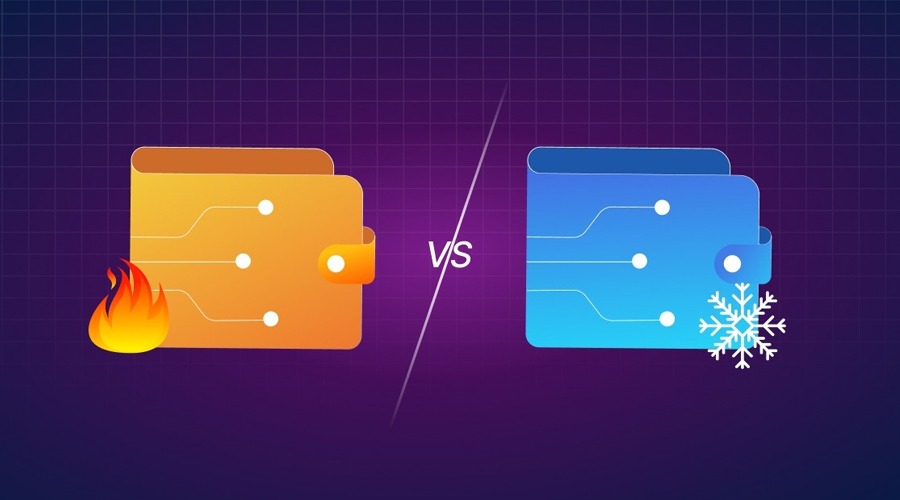
Hot Wallet vs Cold Wallet: Which Crypto Wallet Is More Secure for Trading, DeFi, Long-Term Holding and Private Key Protection?
A crypto wallet is a digital wallet used to store, manage, and deal with digital currencies such as Bitcoin and Ethereum. A wallet does not store the actual coins, but rather users’ cryptographic keys, which provide them access to cryptocurrency recorded on a blockchain.
Hot and cold wallets both serve to store, transfer, and receive crypto; however, they’re used for distinct purposes. One is for convenience, and the other is for long-term protection.
What is a Hot Wallet?
A hot wallet is a crypto wallet that is always on the internet. It comes in the form of a mobile application, browser extension, web wallet or desktop application. Some of the most common wallets are MetaMask, Trust Wallet, Coinbase Wallet, and Exodus.
The primary benefit of a hot wallet is its speed. Traders can quickly swap tokens, use decentralized applications, exchange assets, pay, or connect with decentralized finance platforms. This is why hot wallets are beneficial for traders and active users who transact frequently.
Since private keys are stored on internet-connected devices, hot wallets may be vulnerable to phishing attacks, malware, fake websites, compromised browser extensions, and stolen devices.
For this reason, hot wallets are ideal for small amounts of cryptocurrencies and regular trading, rather than large long-term holdings.
What is a Cold Wallet?
A cold wallet is a crypto wallet that is not connected to the internet. This is the most popular type: a small physical device that looks like a USB flash drive. Paper wallets and deep cold storage options (eg, storing a wallet backup in a vault or safe deposit box) can also be included in cold storage.
In general, the price of hardware wallets ranges from $50 to $200, depending on the brand and security features offered. The most popular hardware wallets are Ledger, Trezor, and KeepKey.
Private keys are kept offline, so cold wallets are considered to be more secure. The user can sign the transaction on the hardware wallet and send it online if they want to transact cryptos. The private key will not be kept on the offline device.
It is designed to reduce exposure to common Web threats, such as malware, phishing links, and browser-based attacks. But in the event of damage or loss of the device or the recovery phrase, users may lose access to the device.
Also Read: What Is a Crypto Wallet and How Does It Work?
Hot Wallet vs Cold Wallet: Key Difference
The key difference is between accessibility and security. Hot Wallets are quick and simple, but pose a risk online. Cold wallets provide greater security for storage, but are less convenient for frequent transactions.
If a trader trades on decentralized exchanges regularly, they might want to use a hot wallet, since it enables fast transaction execution. If you’re a long-term investor who’s held Bitcoin or Ethereum for several years, a cold wallet might be the better option for you.
Which Wallet is The Safest?
Cold wallets are typically more secure because they store their private keys offline. They are suitable for investors with long-term investment strategies, high-value crypto portfolios, and users who do not need to transact frequently.
Hot wallets are still useful, but it’s best to use them like a spending wallet. A better strategy is to have a small portion in a hot wallet and have the majority in a cold wallet.
FAQs:
- What is the main difference between a hot wallet and a cold wallet?
A hot wallet stays connected to the internet and is useful for quick transactions. A cold wallet stores private keys offline, making it safer for long-term crypto storage. - Is a cold wallet safer than a hot wallet?
Yes, a cold wallet is generally safer because private keys are not exposed to the internet. This reduces the risk of phishing, malware, fake websites, and browser-based attacks. - When should I use a hot wallet?
A hot wallet is best for active trading, DeFi activity, token swaps, and small daily transactions. Users should avoid keeping large long-term holdings in hot wallets. - When should I use a cold wallet?
A cold wallet is better for storing Bitcoin, Ethereum, or other crypto assets for months or years. It is also useful for high-value portfolios where security matters more than convenience. - Can I use both hot and cold wallets?
Yes, many crypto users follow a hybrid approach. They keep small amounts in a hot wallet for regular activity and store most of their funds in a cold wallet for stronger protection.
Disclaimer : Crypto News India does not recommend that any cryptocurrency should be bought, sold, or held by you. Do conduct your own due diligence and consult your financial advisor before making any investment decisions.
