
Close Menu
Crypto News India
    What's Hot

    P2P Crypto Bank Freezes in India: How Accounts Get Blocked, What Users Can Do

    What are Smart Contracts? How They Work and Real-World Applications

    India Crypto Tax 2026: 30% VDA Tax, 1% TDS Remain as New Reporting Rules Take Effect

    Facebook X (Twitter) Instagram
    Crypto News India
    • Home
    • News
      • Bitcoin
      • Ethereum
      • XRP
      • Solana
      • Altcoins
    • Markets
    • World
    • Blockchain
    • Predictions
    • Metaverse
    • NFT
    Button
    Crypto News India
    Home»Crypto News»P2P Crypto Bank Freezes in India: How Accounts Get Blocked, What Users Can Do
    Crypto News

    P2P Crypto Bank Freezes in India: How Accounts Get Blocked, What Users Can Do

    Bhavesh MauryaBy Bhavesh MauryaSeptember 22, 2026No Comments2 Mins Read

    P2P Crypto Bank Freezes in India: How USDT Transactions Can Trigger Account Freezes and What Users Can Do to Reduce Risk

    Share Facebook Twitter Pinterest Telegram LinkedIn Tumblr Email Copy Link
    Follow Us
    Google News Flipboard
    P2P Crypto Bank Freezes in India: How Accounts Get Blocked, What Users Can Do
    Share
    Facebook Twitter LinkedIn Pinterest Email Copy Link

    Peer-to-peer crypto trading remains a common route for Indians converting rupees into stablecoins such as USDT, but it carries banking risk: money received from a counterparty may later be linked to cyber fraud.

    How P2P Trades Trigger Freezes

    The risk is concentrated on the receiving side. The chain often begins when a fraud victim reports stolen money through the National Cybercrime Reporting Portal. Investigators follow the transaction trail. If disputed funds subsequently reach a P2P seller, that recipient’s account can become part of the investigation.

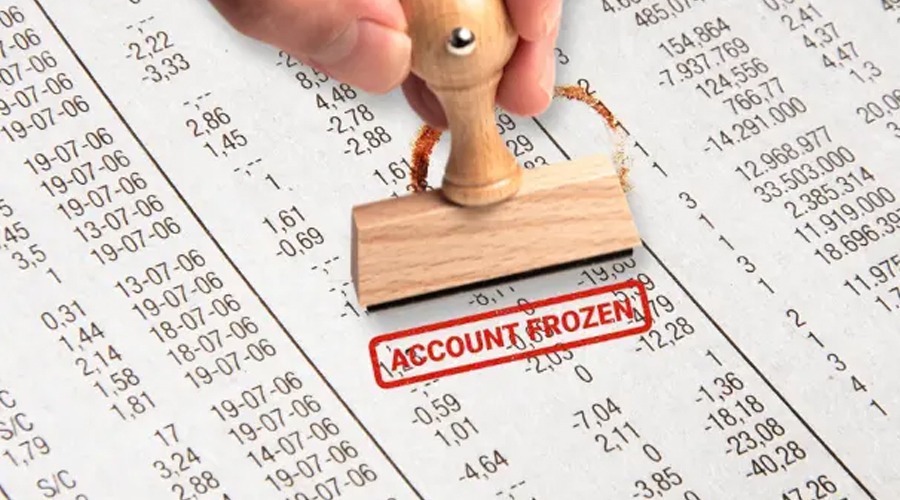
    A lien generally restricts a specified amount, whereas a debit freeze can prevent use of the entire account, potentially disrupting access to salaries, UPI payments, savings and scheduled monthly EMIs.

    BNSS Changed the Legal Framework

    The Bharatiya Nagarik Suraksha Sanhita replaced the CrPC on July 1, 2024. Section 106 concerns seizure of property during investigation, while Section 107 provides a process for attaching suspected proceeds of crime.

    In Headstar Global Pvt. Ltd. v. State of Kerala, the Kerala High Court held that attachment of a bank account under Section 107 requires an order from the jurisdictional magistrate.

    The Kerala ruling distinguished attachment from evidence-preserving seizure. The Delhi High Court reinforced this approach in Malabar Gold and Diamond Ltd. v. Union of India in January 2026. According to the court, blanket freezing of accounts belonging to people who are neither accused nor suspects is ‘arbitrary’ and ‘disproportionate.’

    Lowering P2P Banking Risk

    Risk reduction therefore depends on documentation and limiting exposure. Keeping P2P activity separate from salary accounts, screening counterparties and preserving order IDs, chats, UPI references and exchange records can provide evidence if transactions are questioned.

    If an account is frozen, users should obtain the complaint number, disputed amount and investigating jurisdiction from their bank. They can contact the investigating officer, submit transaction records and seek legal advice where a blanket freeze lacks the required judicial process.

    Final Thoughts

    P2P trading creates counterparty risk beyond crypto-price volatility. Strong records and careful banking practices cannot eliminate exposure, but they can make legitimate transactions easier to demonstrate when disputed funds enter the banking trail.

    Also Read: India Crypto Rules: Why Clearer Licensing Could Change the Market

    Disclaimer : Crypto News India does not recommend that any cryptocurrency should be bought, sold, or held by you. Do conduct your own due diligence and consult your financial advisor before making any investment decisions.

    crypto bank freeze Cryptocurrency P2P crypto india
    Follow on Google News Follow on Flipboard
    Share. Facebook Twitter Pinterest LinkedIn Tumblr Email Copy Link
    Previous ArticleWhat are Smart Contracts? How They Work and Real-World Applications
    Avatar photo
    Bhavesh Maurya

    Bhavesh Maurya is a technical content analyst and market researcher with strong expertise in cryptocurrency, global financial markets, and emerging fintech ecosystems. With hands-on experience in analyzing blockchain data and on-chain metrics, he specializes in breaking down complex developments across Bitcoin, altcoins, ETFs, and digital asset infrastructure into clear, data-driven insights. Coming from a technical background that spans backend systems, APIs, and data-driven problem solving, Bhavesh brings a unique analytical depth to financial and crypto journalism. His work focuses on interpreting market structure, institutional flows, price action, and evolving narratives such as AI in finance, tokenization, and decentralized infrastructure.

    Related Posts

    What are Smart Contracts? How They Work and Real-World Applications

    September 22, 2026

    India Crypto Tax 2026: 30% VDA Tax, 1% TDS Remain as New Reporting Rules Take Effect

    September 22, 2026

    Bitcoin Hits Eight-Month High Near USD 85K as ETF Demand Returns

    September 21, 2026
    Latest Posts

    P2P Crypto Bank Freezes in India: How Accounts Get Blocked, What Users Can Do

    What are Smart Contracts? How They Work and Real-World Applications

    India Crypto Tax 2026: 30% VDA Tax, 1% TDS Remain as New Reporting Rules Take Effect

    Bitcoin Hits Eight-Month High Near USD 85K as ETF Demand Returns

    • Editorial Policy
    • Disclaimer
    • Terms and Conditions
    • Privacy Policy
    • Contact Us
    • About Us
    • Editorial Policy
    • Disclaimer
    • Terms and Conditions
    • Privacy Policy
    • Contact Us
    • About Us

    Crypto News India is India’s premier digital platform for timely, accurate, and comprehensive cryptocurrency news, analysis, and insights. Since our inception, we have been committed to empowering Indian investors, traders, and blockchain enthusiasts with the knowledge they need to navigate the dynamic world of digital assets.

    Facebook X-twitter Instagram Linkedin

    P2P Crypto Bank Freezes in India: How Accounts Get Blocked, What Users Can Do

    What are Smart Contracts? How They Work and Real-World Applications

    © 2026 Crypto News India

    Type above and press Enter to search. Press Esc to cancel.