

Hardware Wallet vs Software Wallet: Key Differences, Pros, Cons and Which Crypto Wallet Should You Choose
The key difference between the two wallets is that a hardware wallet stores your private keys offline on a physical device, while a software wallet keeps them on an internet-connected app. This disparity makes a difference in terms of security, cost, convenience, and longevity of use.
What is a Hardware Wallet?
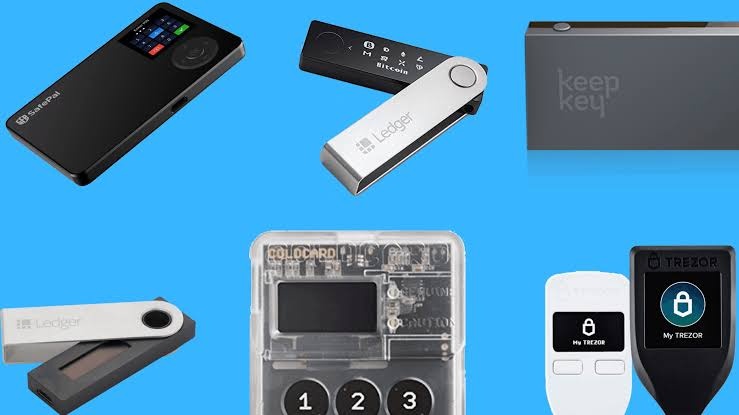
A hardware wallet is a physical device used to store private keys separately from the Internet. Popular examples are Ledger, Trezor, Tangem, and Keystone. These wallets can also be referred to as cold wallets, as the private keys are not directly exposed to the internet.
To send crypto, the transaction is generated on a connected app, while the signing occurs on the connected device. The private key never leaves the device. This makes hardware wallets safer against malware, phishing links and browser-based attacks.
The price of hardware wallets typically ranges from $50 to $250, depending on the specific wallet and its features. Some are connected via USB-C, some via Bluetooth, and air-gapped wallets sign via QR code without the transfer of data from the Internet.
Pros:
- Keeps private keys off your everyday internet-connected device.
- Better suited for long-term storage and larger balances.
- Reduces the risk that malware on your laptop or phone can directly drain your wallet.
Cons:
- Costs money up front, usually $70 to $170, unlike many software wallets.
- Less convenient for fast trades or constant on-chain activity.
- Requires careful backup of your recovery phrase.
What Is a Software Wallet?
A software wallet refers to an app, desktop application, or browser extension that allows users to handle cryptocurrencies from an internet-connected device. Examples are MetaMask, Trust Wallet, Exodus, and Coinbase Wallet.
Software wallets are typically free, and they are very easy to install; they are popular among beginners. They can be used for fast transfers, crypto swaps, NFT trading, access to DeFi apps, and Web3 app connections.
However, software wallets are internet-connected and thus are more susceptible to browser manipulation, malware, fake extensions, phishing, and device compromise. If a user clicks a wallet-draining link or downloads a fake app, funds may be lost quickly.
Pros:
- Usually free and easy to start using.
- Convenient for everyday transactions, swaps, and connecting to other apps.
- Better fit for people actively using advanced features, such as Web3, DeFi, or NFTs.
Cons:
- More exposed to phishing, malware, and browser-based attacks.
- Security depends heavily on how secure your phone or computer is.
- Recovery is still your problem in self-custody setups.
Also Read: 10 Common Crypto Wallet Mistakes Beginners Should Avoid
Which Wallet Should You Choose?
Choose a hardware wallet if you hold large amounts of crypto, plan to invest for the long term, or want stronger offline protection.
If you trade frequently, hold smaller balances, or actively participate in DeFi, NFTs, and Web3 applications, select a software wallet.
For most serious users, the best way to proceed is to use both. Have long-term investments in a hardware wallet and short-term investments in a software wallet. This balances security with convenience while reducing the risk of losing an entire portfolio from one mistake.
FAQs:
What is the main difference between a hardware wallet and a software wallet?
A hardware wallet stores private keys offline on a physical device. A software wallet stores keys on an internet-connected app, desktop program or browser extension.
Are hardware wallets safer than software wallets?
Yes, hardware wallets are generally safer because private keys stay offline. This reduces exposure to phishing links, malware, fake extensions and browser-based attacks.
When should I use a software wallet?
Software wallets are useful for smaller balances, quick transfers, crypto swaps, DeFi, NFTs and Web3 apps. They are convenient but require strong security habits.
Can I lose crypto from a hardware wallet?
Yes, losses can still happen if you lose your recovery phrase, approve a malicious transaction or buy a compromised device. Hardware wallets reduce risk but do not remove responsibility.
Should beginners use both wallet types?
Yes, using both is often the best approach. Keep long-term holdings in a hardware wallet and use a software wallet only for daily transactions or smaller active balances.
Disclaimer : Crypto News India does not recommend that any cryptocurrency should be bought, sold, or held by you. Do conduct your own due diligence and consult your financial advisor before making any investment decisions.
