

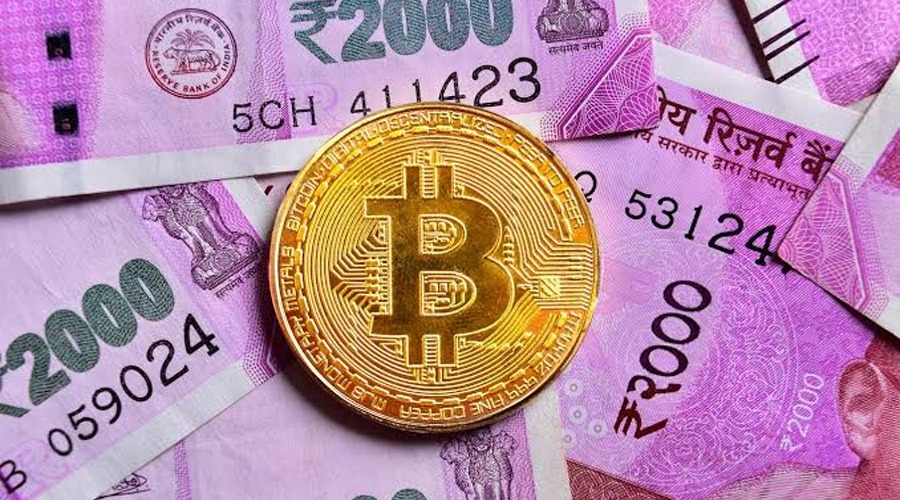
The leading cryptocurrency, Bitcoin (BTC), runs on a decentralised network as opposed to a government or central bank. BTC is not a legal tender in India, and no person or business has any legal obligation to accept it as a payment. The Reserve Bank of India (RBI) has also issued several alerts on the risks involved with digital currencies, such as financial, operational security, and consumer protection risks.
Is Bitcoin Trading Legal in India?
Indian citizens are allowed to purchase, hold, and sell BTC subject to taxation and anti-money laundering (AML) regulations. The Supreme Court in 2020 overturned the RBI’s cryptocurrency ban on banking companies. However, this did not make BTC a legal currency or make deposits as well protected in a bank.
Every virtual digital asset (VDA) service provider must get registered with the FIU-IND and follow AML and customer-verification protocol guidelines while operating in India. FIU-IND updated the guidelines for such providers in January 2026.
Step 1: Select a Compliant Crypto Platform
Select an exchange that offers rupee deposits and is registered with the FIU-IND. Check trading fees, withdrawal fees, liquidity, security features, and whether the site lets users move Bitcoin to their own wallet before opening an account.
It is important to note that investors are not looking for a trade based on a particular exchange’s low fees or high returns, but on the overall experience of trading on the exchange.
Step 2: Complete Account Verification
Create an account using your mobile number and e-mail. Most platforms in India require a PAN card along with either Aadhaar or any other acceptable proof of identity, a photo, and bank verification.
The name on the exchange account should match the name registered with the linked bank account. If you’re making large deposits or withdrawals, extra checks will be needed.
Step 3: Deposit Indian Rupees
Verify and add funds with any of the available payment methods (UPI, IMPS, NEFT or bank transfer). The options for depositing and the processing time vary from platform to platform.
Do not wire funds to a person who says they are from an exchange unless it is clearly posted on the site.
Step 4: Place a Bitcoin Order
Search for the BTC/INR trading pair and enter the rupee amount you wish to invest. BTC can be split into smaller units, which means that a beginner doesn’t have to buy an entire coin. Some platforms allow purchases beginning at approximately Rs. 100, although minimum order limits vary.
The difference between the two is that a market order will buy BTC near the current available price, whereas a limit order will only be filled if the price of BTC matches the investor’s limit.
Step 5: Safeguarding Bitcoin Safely
BTC can be kept in the exchange wallet or moved to the personal wallet. Hot wallets are always online and are handy for regular transactions. Cold wallets store private keys offline and can provide more security during long-term investments.
Use two-factor authentication, have a unique password, and never share private keys or recovery phrases.
Also Read: Is Crypto Legal in India in 2026? Full Tax, RBI & Regulation Guide
Understand Bitcoin Taxation
Gains from virtual digital assets are taxed at 30%, plus applicable surcharge and 4% cess, under Section 115BBH. Any such transactions should be reported on a separate schedule (Schedule VDA) attached to the relevant income-tax return. In addition, transfers could also be subject to tax deducted at source under the relevant VDA provisions.
BTC prices can fluctuate sharply, and investments are not guaranteed. Beginners should invest only after understanding volatility, taxation, platform risk and personal-wallet security.
FAQs:
1. Can I legally buy Bitcoin in India?
Yes. Indian residents can legally buy, hold and sell Bitcoin through compliant cryptocurrency exchanges. However, Bitcoin is not legal tender in India and is regulated under taxation and anti-money laundering (AML) provisions.
2. What documents are required to purchase Bitcoin?
Most crypto exchanges require PAN, Aadhaar (or another valid identity proof), a photograph and bank account verification as part of the mandatory KYC process. Additional verification may be required for high-value transactions.
3. What is the minimum amount required to invest in Bitcoin?
You don’t need to purchase an entire Bitcoin. Since Bitcoin is divisible into smaller units, many exchanges allow investments starting from around Rs. 100, though the minimum amount varies by platform.
4. How should beginners store their Bitcoin safely?
Investors can keep Bitcoin in an exchange wallet or transfer it to a personal wallet. For long-term holding, cold wallets are generally considered more secure because they store private keys offline. Enabling two-factor authentication (2FA) further enhances security.
5. How is Bitcoin taxed in India?
Profits from Bitcoin and other virtual digital assets are taxed at 30% under Section 115BBH, along with the applicable surcharge and 4% cess. Investors must report these transactions in Schedule VDA while filing their income tax returns, and certain transfers may also attract TDS.
Disclaimer : Crypto News India does not recommend that any cryptocurrency should be bought, sold, or held by you. Do conduct your own due diligence and consult your financial advisor before making any investment decisions.
