

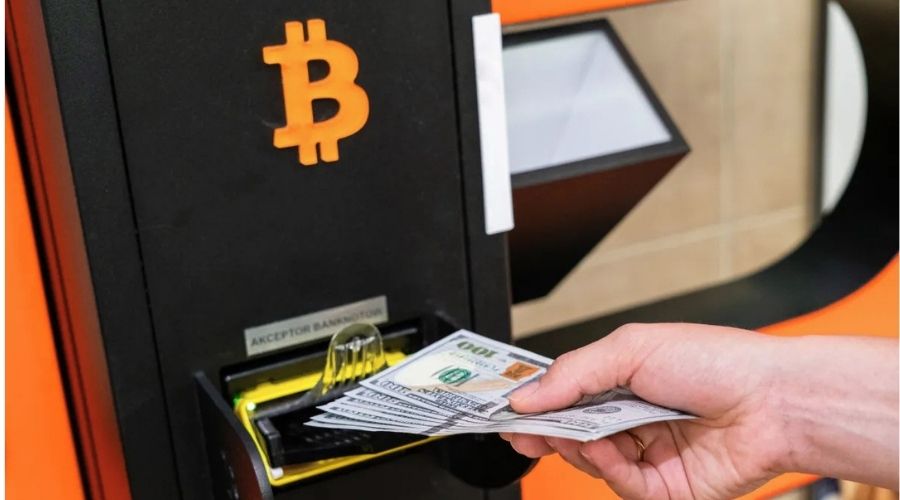
The CFTC warns about crypto ATM scams after FBI data shows over $388 million in reported losses during 2025. Losses increased 58%, with people over 50 accounting for more than $302 million. The regulator urges consumers to verify unusual payment requests independently and report suspected fraud.
The Commodity Futures Trading Commission warned Americans about crypto ATM scams after reported losses exceeded $388 million during 2025. The regulator’s August 26 alert also covered scammers seeking payments through gift cards, unfamiliar apps and couriers.
The FBI’s Internet Crime Complaint Center received 13,460 complaints involving cryptocurrency kiosks last year. Complaints increased 23% from 2024, while reported losses climbed 58%.
Older Adults Bear Most Crypto ATM Scam Losses
People over 50 accounted for more than half of kiosk complaints and reported losses exceeding $302 million. Adults aged 60 and above filed 6,188 complaints, reporting more than $257 million in losses.
Meanwhile, the FBI cautions that some complaints include payments through other methods. Therefore, the total does not represent money deposited exclusively through crypto ATMs. The CFTC also said unreported cases could push actual losses higher.
Separate Federal Trade Commission research examined older adults’ reports of business and government impersonation scams during 2024. Among those reporting losses of at least $10,000, 33% identified cryptocurrency payments. Most of those reports mentioned Bitcoin ATMs.
From 2020 to 2024, the number of older adults reporting losses of $10,000 or more to these scams increased more than fourfold. The FTC says some victims emptied bank accounts or withdrew their retirement savings.
How Crypto ATM Scams Move Victims’ Money
A crypto kiosk converts cash into cryptocurrency and sends it to a wallet address. Scammers often supply that address or a QR code, directing victims to transfer money into accounts they control.
According to the CFTC, these transfers often happened immediately and offer no way to reverse them. Criminals impersonate government agencies, banks, investment firms, utility providers or technical support staff to gain victims’ trust.
They may stay on the phone during deposits, demand secrecy or tell victims to split payments. Some also coach victims on answering questions from bank employees, kiosk operators or relatives.
The FTC described schemes that begin with fake computer security warnings. Callers then transfer victims between people pretending to represent technology companies and government agencies. Scammers may also send couriers to collect cash or gold from victims, the agency reports.
“No government agency, legitimate financial institution, or reputable company will instruct you to move money using crypto ATMs, gift cards, or couriers,” the CFTC said.
CFTC Urges Checks and Prompt Fraud Reports
The regulator advised consumers to stop suspicious transactions and independently contact the organisation involved. People should use verified telephone numbers or official websites, avoiding contact details supplied by the caller.
The FBI also advised customers to stop or cancel payments when kiosk operators identify possible fraud. Its guidance listed large cash withdrawals and confused customers receiving telephone instructions among potential warning signs.
The FBI asked victims to retain receipts, wallet addresses, transaction records and the kiosk’s location. Reports should include scammers’ telephone numbers, email addresses and a description of events. Victims can contact local police and submit complaints through the FBI’s IC3 website or the CFTC complaint portal.
Meanwhile, Arizona Attorney General Kris Mayes reported on August 12 that her office helped 35 victims recover $171,332. The refunds followed a state law that took effect on September 26, 2025.
The law requires kiosk operators to refund qualifying fraud payments, including fees. Victims must report transactions to the attorney general’s office or local police within 30 days of the transaction.
Arizona also lowered daily transaction limits and required operators to provide receipts. Machines must display fraud warnings that customers acknowledge before completing transactions.
ALSO READ: Arizona Crypto ATM Law: 35 Victims Recover $171K in Scams
Disclaimer : Crypto News India does not recommend that any cryptocurrency should be bought, sold, or held by you. Do conduct your own due diligence and consult your financial advisor before making any investment decisions.
