

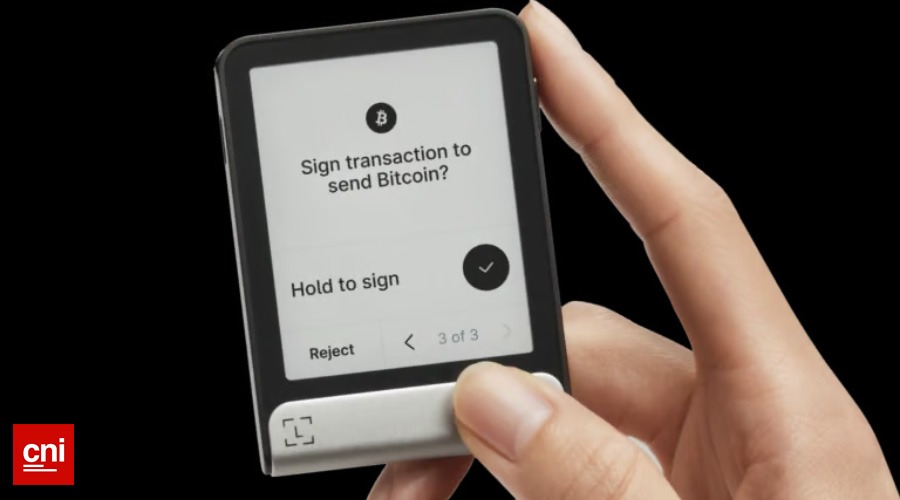
The Ethereum community has launched Clear Signing, a new security feature that makes crypto wallet approvals easier to read before users sign transactions. The ERC-7730-based standard aims to reduce blind signing risks and has gained support from Ledger, Trezor, MetaMask, WalletConnect and Fireblocks.
Ethereum has introduced Clear Signing, a new security standard aimed at reducing blind signing risks across crypto wallets and on-chain platforms. The feature turns unreadable transaction data into clear details before users approve actions. Ledger, Trezor, MetaMask, WalletConnect, Keycard, Argot, Fireblocks and other platforms are among the early supporters.
Ethereum Targets Blind Signing Risks
The Ethereum community launched Clear Signing to help users understand wallet approvals before they sign transactions. The feature replaces raw hex data and unclear prompts with readable transaction details. It is built around the idea of “What You See Is What You Sign.”
The Ethereum Foundation said blind signing has become a weak point in self-custody security. It stated, “Approving a transaction is meant to be the last line of defense when exercising control over what happens to your assets on the blockchain. When it is done blindly, that defense does not hold.”
The Foundation also called blind signing a “structural flaw.” It linked the issue to large losses across the crypto sector, including the $1.4 billion Bybit hack reported last year. That incident raised fresh concerns about signing screens and transaction approval risks.
Clear Signing Uses ERC-7730 Standard
Clear Signing was introduced through Ethereum’s Trillion Dollar Security Initiative. The effort also builds on ERC-7730, an open-source token standard started by Ledger. The standard creates a shared format for readable transaction descriptions.
The system uses JSON-based descriptors, a public registry and independent reviews. These parts allow wallets to show what a transaction aims to do before approval. The feature does not require smart contracts to be redeployed.
A supported wallet can display details such as the asset being sent, the recipient, the minimum amount received and the expiry time. Therefore, users do not have to rely on raw function selectors or long numeric values when approving actions.
The Ethereum Foundation said Clear Signing includes “human-readable transaction descriptions” and a “neutral, mirrorable descriptor registry.” It also includes an attestation framework that lets auditors check the transaction descriptors.
Wallets And Security Firms Support Rollout
Several crypto firms are supporting Clear Signing in its early rollout. Ledger, Trezor, MetaMask, Keycard, WalletConnect, Argot and Fireblocks are among the listed contributors and adopters.
Other teams involved include ZKnox, Sourcify, Cyfrin, Zama and independent Ethereum contributors. The Ethereum Foundation said its security initiative will support the infrastructure and help drive adoption across wallets and protocols.
Trezor chief technology officer Tomáš Sušánka said attackers have used blind signing risks because users often cannot tell the difference between a valid transaction and a harmful smart contract action. He said users can “unknowingly sign them, and lose everything.”
Sušánka also said Clear Signing “directly addresses this by making transactions human-readable before approval.” He added that Trezor plans to implement the standard before June 30.
Security Push Follows Rising Crypto Attacks
The Clear Signing rollout comes as crypto platforms face more phishing, wallet-draining and approval-based attacks. Reports have linked North Korean state-backed groups to more than $7 billion in stolen funds since 2009, with crypto making up a large share.
The Bybit hack drew attention because attackers allegedly manipulated transaction signing through a third-party service provider. Reports said the attack made it hard for Bybit’s CEO to fully verify transaction details before approval.
Clear Signing does not remove every crypto security risk. However, it gives users and institutions clearer transaction records before funds move. As a result, Ethereum developers want readable signing screens to become a common wallet standard across the network.
Disclaimer : Crypto News India does not recommend that any cryptocurrency should be bought, sold, or held by you. Do conduct your own due diligence and consult your financial advisor before making any investment decisions.
