

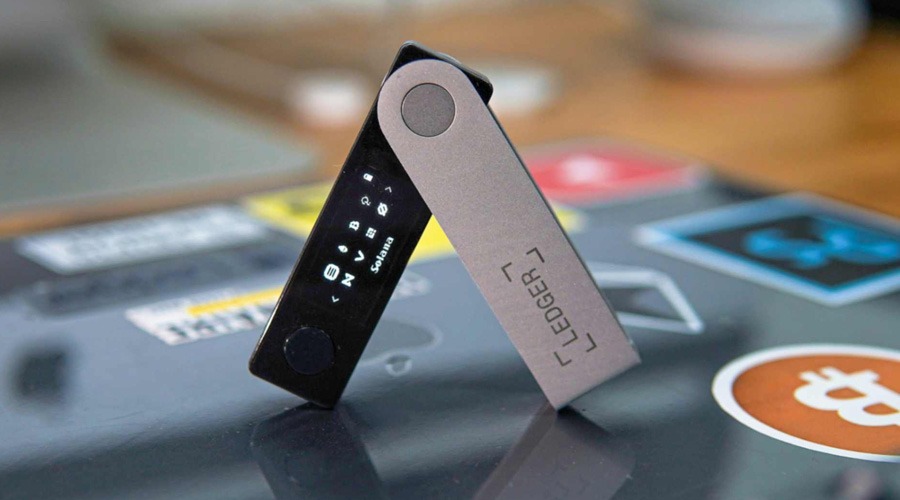
Cryptocurrency cold wallets offer offline protection for private keys, but losing recovery credentials can permanently lock investors out of their holdings. Recent security incidents in 2026 have also exposed vulnerabilities involving tampered hardware devices and compromised recovery systems.
According to BitGo’s November 5 security assessment, cold storage reduces online threats but cannot eliminate risks involving device suppliers, software vulnerabilities and human error.
What Happens if a Crypto Cold Wallet is Lost?
Cryptocurrencies remain recorded on their respective blockchains rather than physically inside hardware wallets. A lost or damaged device can generally be replaced using its recovery phrase, commonly consisting of 12, 20, or 24 words, depending on the wallet’s backup format.
According to Trezor, its wallet backup is ‘the most important part of your wallet setup.’
Without a functioning device, a valid backup or an alternative recovery method, accessing funds may become impossible.
Crypto Wallet Security Risks Increase in 2026
Recent incidents demonstrate that offline storage alone cannot guarantee asset security. On October 30, Trezor warned about a suspected hardware implant in a device purchased through former reseller CryptoBilis.
The manufacturer advised affected customers to transfer assets into newly generated wallets rather than reuse potentially compromised recovery phrases.
How Can Investors Recover Lost Cryptocurrency?
Investors retaining their recovery phrases can restore compatible wallets using replacement hardware. If the original device works but its backup is missing, transferring funds to a new wallet with verified recovery credentials may prevent future losses.
According to Coin Bureau’s updated May 2026 recovery guide, self-custody wallets generally lack conventional password-reset mechanisms.
Essential Cold Wallet Safety Precautions
Security specialists recommend keeping recovery phrases offline, avoiding screenshots and purchasing devices directly from manufacturers.
Investors should verify receiving addresses, install official firmware updates and reject unexpected requests for recovery credentials. For institutional custody, multi-party computation, hardware security modules and multiple transaction approvals can reduce operational vulnerabilities.
Cold wallets protect private keys from many online attacks, but secure backups, verified hardware and disciplined transaction practices remain essential for protecting cryptocurrency investments.
Also Read: Crypto Wallets Explained: How to Store Cryptocurrency Safely in 2026
Disclaimer : Crypto News India does not recommend that any cryptocurrency should be bought, sold, or held by you. Do conduct your own due diligence and consult your financial advisor before making any investment decisions.
