

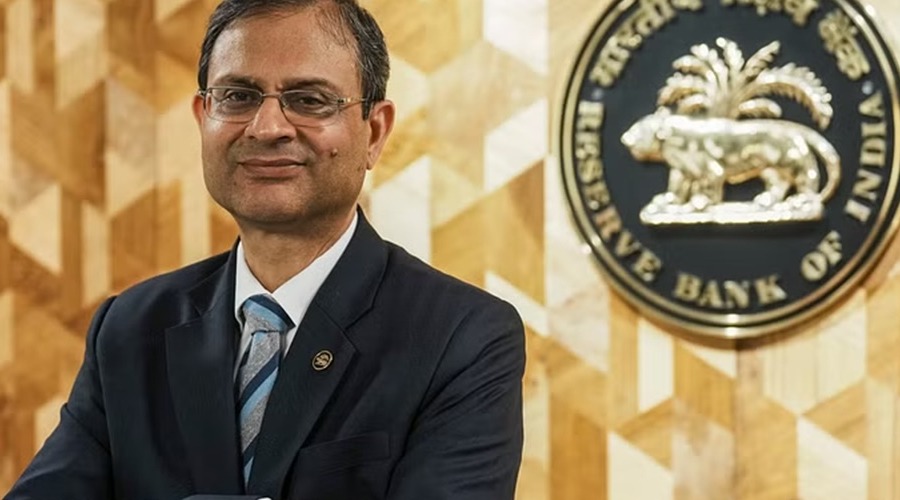
The Reserve Bank of India (RBI) continues to take a cautious approach towards cryptocurrencies, even as it supports technologies such as distributed ledgers and tokenization, RBI Governor Sanjay Malhotra said today (October 3, 2026). Speaking at the Kautilya Economic Conclave in New Delhi, Malhotra said concerns around crypto include monetary policy, monetary sovereignty and the “singleness of money”. At the same time, he said India is exploring technologies that can improve financial services and address gaps in cross-border payments.
Malhotra’s comments underline the distinction between cryptocurrencies themselves and the technology behind them. While the RBI remains concerned about the potential effects of crypto assets on the monetary system and capital flows, it supports innovation involving distributed ledger technology and tokenization, including through central bank and public-private initiatives.
Why the RBI Remains Cautious on Cryptocurrencies
According to Malhotra, one central concern is the concept of the “singleness of money” and what widespread use of privately issued digital assets could mean for monetary policy. He also pointed to potential implications for capital flows, particularly in emerging economies where restrictions and controls can play an important role.
The governor said India’s cautious position is not aimed at the underlying technology. Instead, the focus is on the possible impact that cryptocurrencies could have on monetary and financial systems.
“Domestic payments within our country are fast, cheap and convenient. The problem is of cross-border payments, and other means like the Central Bank can solve that problem,” the RBI Governor said.
Cross-border Payments Remain A Key Challenge
Malhotra also highlighted cross-border payments as a more pressing area for financial innovation. He said domestic payments in India are already relatively fast, inexpensive and convenient, while international transactions continue to present challenges.
The governor said alternatives such as central bank digital currencies (CBDCs) could help address some of these issues. He also noted that technologies associated with crypto assets, including distributed ledgers and tokenization, can be explored separately from cryptocurrencies themselves.
Also Read: India’s RBI Pushes Crypto Ban as Tax Data Exposes Wide Compliance Gaps
RBI Governor Flags Wider Financial Risks
Malhotra did not flag crypto as the only technology-related financial issue. He also warned that a slowdown in the global AI investment cycle or weaker-than-expected earnings could lead to a sharp repricing of financial assets, particularly companies linked to the AI ecosystem.
He further identified cyber risk as a significant concern as AI tools become more sophisticated. Malhotra said the interconnected nature of the financial system means that a cyberattack, geopolitical event, or technology failure could spread through multiple channels and potentially affect financial stability. For now, the RBI’s position remains focused on supporting useful financial technologies while remaining cautious about cryptocurrencies and their broader monetary implications.
Disclaimer : Crypto News India does not recommend that any cryptocurrency should be bought, sold, or held by you. Do conduct your own due diligence and consult your financial advisor before making any investment decisions.
