
India’s economic expansion could significantly enlarge its digital-asset market over the next decade, even though regulation and taxation remain major constraints for crypto investors.
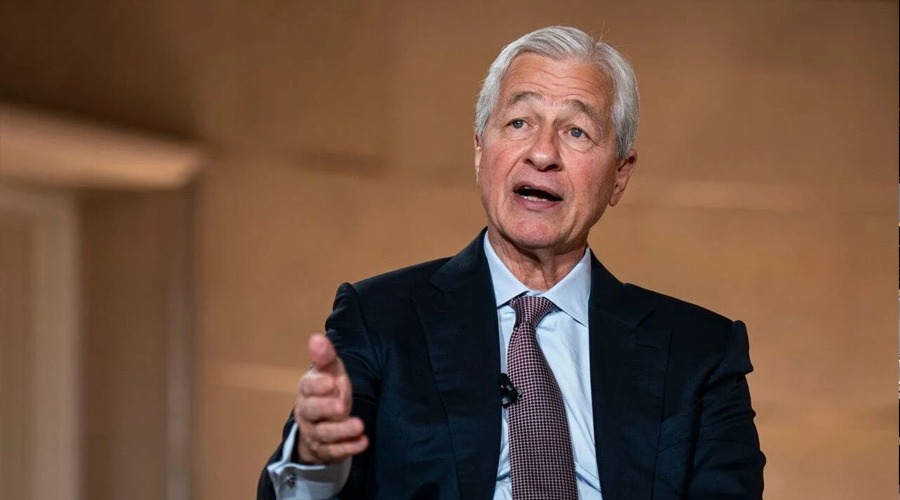
Speaking at JPMorgan’s India Investor Conference in Mumbai on September 21-22, CEO Jamie Dimon offered a bullish long-term view of the country’s economy. Dimon said he “guessed” India’s economy would be three times its current size when participants meet again in 10 years.
The comment was not a crypto forecast. However, a larger economy could mean higher household incomes, deeper capital markets and more investable wealth, potentially increasing demand for cryptocurrencies and blockchain-based financial products.
India Already Leads Global Crypto Adoption
India enters this potential growth phase with an established crypto user base. According to Chainalysis, India ranked No. 1 globally for cryptocurrency adoption in 2025 despite a restrictive tax environment.
Crypto gains are taxed at 30% in India, alongside other applicable transaction and reporting requirements. According to Reuters, India had roughly 39 million crypto traders holding about USD 2.1 billion in digital assets as of May 2026.
That combination of high adoption despite regulatory friction suggests economic growth alone may not determine how quickly India’s crypto market expands.
Stablecoins Could Play a Bigger Role
Dollar-linked stablecoins could become increasingly relevant as digital payments and cross-border crypto activity grow. The global market is already expanding rapidly. According to Circle, USDC circulation reached USD 73.3 billion in Q2 2026, representing 19% year-over-year growth, while its on-chain transaction volume increased 151%.
Regulation Remains the Key Variable
Indian policymakers continue to scrutinize offshore exchanges, tax compliance and private-wallet activity. The Reserve Bank of India has also expressed concerns about dollar-backed stablecoins and their implications for monetary sovereignty.
India therefore faces two competing forces: expanding wealth could increase digital-asset demand, while taxes and regulation could limit how much capital moves into crypto. If Dimon’s decade-long economic outlook materializes, policy will help determine how much of that growth reaches India’s crypto ecosystem. The outcome could reshape one of crypto’s largest retail markets.
Also Read: P2P Crypto Bank Freezes in India: How Accounts Get Blocked, What Users Can Do
Disclaimer : Crypto News India does not recommend that any cryptocurrency should be bought, sold, or held by you. Do conduct your own due diligence and consult your financial advisor before making any investment decisions.
