

How to Set Up a Crypto Wallet: Step-by-Step Guide for Hosted, Non-Custodial and Hardware Wallets
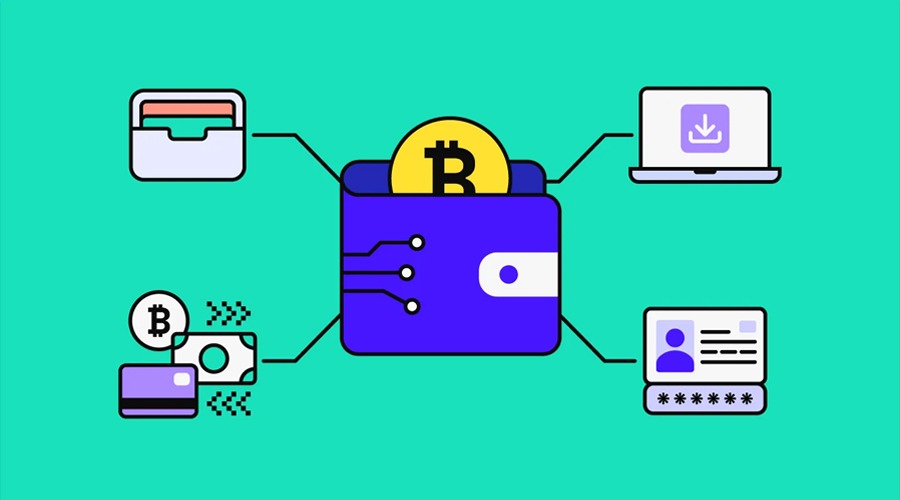
A crypto wallet is essential for anyone who wants to store, send, receive, or manage cryptocurrencies such as Bitcoin and Ethereum. Unlike a physical wallet, there aren’t any physical coins stored in it. The wallet keeps private keys or seed phrases, which enable users to access crypto possessions recorded on a blockchain.
Depending on the user’s goal, the appropriate wallet is utilized. The choice of wallet depends on the user experience: beginners might prefer a wallet that is hosted, active DeFi users may go for a non-custodial wallet, and long-term investors will likely choose a hardware wallet for higher security.
1. Hosted Wallet
A hosted wallet or custodial wallet is held by a third party like a cryptocurrency exchange. Typically, when users purchase crypto on an exchange, their assets are reserved in a hosted wallet.
The primary benefit is ease of use. No private keys need to be handled by the users, and in case of forgetting the password, they can retrieve the account by verification. For beginners primarily seeking to buy, sell, send, and receive cryptocurrencies, hosted wallets come in handy.
How to create a hosted wallet:
The first step is to select a reputable cryptocurrency exchange provider with robust security measures, strict regulations, and seamless account setups.
Now sign up with an email address, cell phone number, and strong password. Most platforms that are regulated also will ask for verification of identity before allowing trades to be made, which is called KYC.
Once verified, users can deposit money via bank transfer, card payment, or crypto transfer. After the money is deposited, they can buy the digital asset and trade or hold it within the platform.
2. Non-Custodial Wallet
A non-custodial wallet allows users to have complete control over their private keys. This includes MetaMask, Trust Wallet, and Coinbase Wallet. The wallets are in demand for users who wish to utilize decentralized finance, stake, lend, borrow, and exchange tokens.
The primary advantage is being the owner. Funds are not under the control of any third party. But if the user loses the seed phrase, the wallet cannot usually be recovered.
How to set up a non-custodial wallet:
Download the wallet app or browser extension from the official website, App Store, or Google Play. Open the app and click on a new wallet. Set a strong password to protect local access.
The wallet will then display a 12- or 24-word seed phrase. This should be recorded and kept in a secure area that is separate from the computer. It should never be attached to an online file, photographed, or saved in cloud storage.
Once configured, users are able to move crypto from the exchange to a wallet address and use Web3 services responsibly.
Also Read: Hot Wallet vs Cold Wallet: Which Crypto Wallet is More Secure?
3. Hardware Wallet
A hardware wallet is a tangibly present unit of hardware where the private keys are saved in an offline setting. Popular brands are Ledger and Trezor. These wallets tend to be utilized by long-term investors and users with large crypto holdings.
The price of a hardware wallet varies from $50 to over $100, depending on the design and capabilities. They aren’t as convenient as software wallets, but are better protected against malware or internet attacks.
How to set up a hardware wallet:
Buying the device from the official website or a trusted seller is advisable. Download the official software (Ledger Live or Trezor Suite). Connect the device, set a PIN, and record the recovery phrase on the device.
After it’s set up, users can send crypto to the address on the hardware wallet for safe deposit.
Conclusion
Hosted wallets are excellent for beginners, non-custodial wallets for accessing Web3, and hardware wallets for long-term security. Many users use all three, with a few small amounts in hot wallets and most in offline storage.
FAQs:
1. What is a crypto wallet?
A crypto wallet is a tool that stores private keys or seed phrases used to access cryptocurrencies on a blockchain. It does not store physical coins but helps users send, receive, and manage digital assets.
2. Which crypto wallet is best for beginners?
A hosted or custodial wallet is usually best for beginners because it is easier to set up and use. It also allows account recovery through verification if users forget their passwords.
3. What is a non-custodial wallet?
A non-custodial wallet gives users full control of their private keys and funds. It is useful for DeFi, staking, token swaps and Web3 apps, but users must safely store their seed phrase.
4. Why should I use a hardware wallet?
A hardware wallet stores private keys offline, making it safer from malware, phishing, and online attacks. It is best suited for long-term investors and users holding larger amounts of crypto.
5. Can I use more than one crypto wallet?
Yes, many users use multiple wallets for different purposes. They may keep small amounts in a hosted or non-custodial wallet and store larger holdings in a hardware wallet.
Disclaimer : Crypto News India does not recommend that any cryptocurrency should be bought, sold, or held by you. Do conduct your own due diligence and consult your financial advisor before making any investment decisions.
