

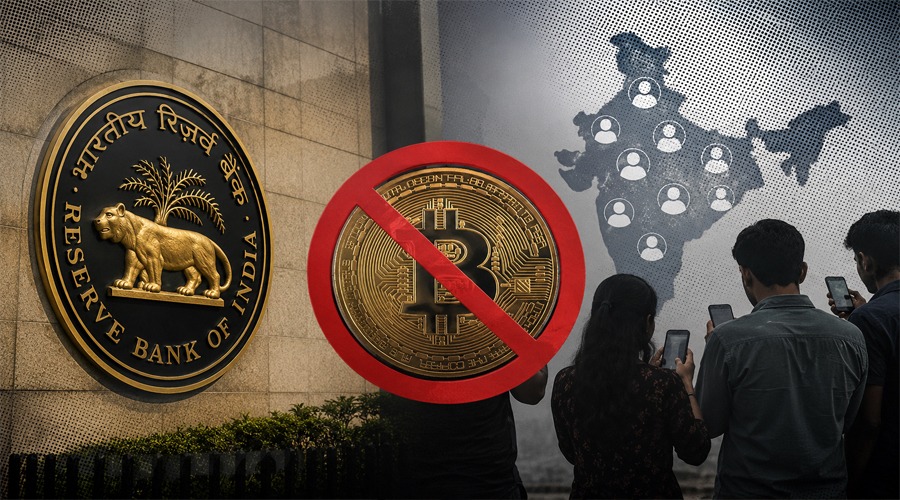
RBI Warns Banks Against Crypto Exposure as Offshore Trading and Tax Risks Remain Under Government Review
India has yet to make a final decision on cryptocurrencies, despite ongoing discussions for many years. New government documents show that the Reserve Bank of India still supports a crypto ban, while the Income Tax Department believes that crypto trading through offshore platforms creates serious tax challenges. The government has not announced a final policy, although key departments continue raising concerns about digital assets.
According to documents reviewed by Reuters, the Reserve Bank of India wants a policy that moves closer to banning private cryptocurrencies. The central bank believes banks and financial institutions should not hold, trade, or invest in cryptocurrencies or privately issued stablecoins. Officials believe this step could protect India’s financial system from future risks and reduce the chances of crypto affecting the banking sector.
RBI Continues to Push for Tougher Crypto Rules
Most Indian banks already avoid offering crypto related services, even though no law currently stops them from doing so. The RBI has repeatedly warned banks about the possible risks linked to digital assets, and those warnings have influenced their approach toward the sector.
The Income Tax Department has also shared fresh concerns about cryptocurrency trading. Officials believe many investors use foreign crypto exchanges that remain difficult to monitor. Private wallet transfers and peer to peer transactions also make it harder for authorities to track trading activity. These challenges increase the risk of tax evasion and make tax collection more difficult.
Tax Authorities Racrypto-relatedver Offshore Trading
Government estimates show that nearly 39 million people in India own cryptocurrencies worth around $2.1 billion. Such a large number of investors has increased pressure on authorities to improve crypto regulation and strengthen tax monitoring before the market grows further.
The RBI also remains concerned about stablecoins. Officials believe stablecoins linked to foreign currencies could weaken India’s controlpeer-to-peernancial system. Rupee-backed stablecoins have also raised concerns since they may affect government earnings from issuing currency and create additional financial risks during difficult market conditions.
Policy Uncertainty Continues for the Crypto Industry
India’s crypto policy has remained unclear for several years. The Supreme Court removed the RBI’s earlier banking restrictions in 2020, allowing crypto businesses to continue operating. Later, the government prepared a draft bill to ban private cryptocurrencies, although Parliament never introduced it. Several discussion papers have also faced delays, leaving the industry without a complete legal framework.
The latest discussions show that government agencies still place financial safety and tax compliance ahead of wider crypto adoption. Future decisions could shape banking rules, investor confidence, and the growth of digital assets across India while deciding how cryptocurrencies fit into the country’s financial system.
For now, cryptocurrencies are taxable in India, although the government has not introduced a complete regulatory law. The latest recommendations from the RBI and the Income Tax Department suggest that stronger rules may become a bigger part of future policy discussions.
Disclaimer : Crypto News India does not recommend that any cryptocurrency should be bought, sold, or held by you. Do conduct your own due diligence and consult your financial advisor before making any investment decisions.
