

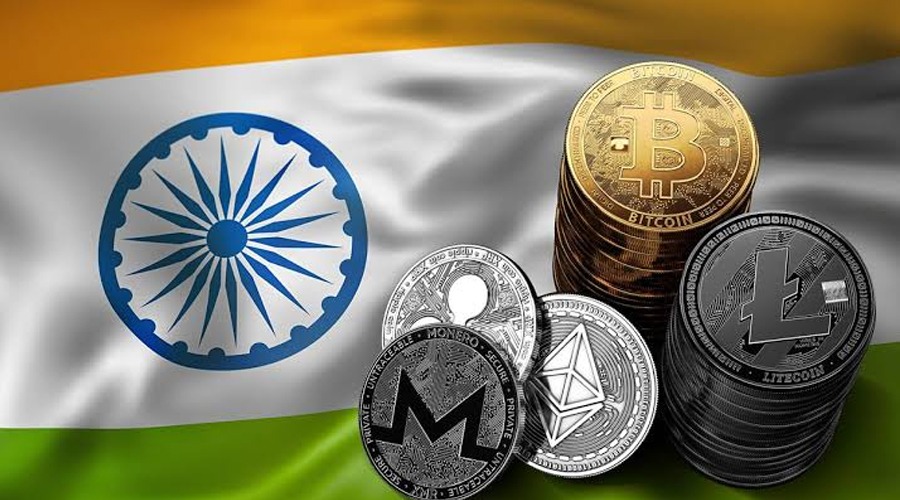
India’s growing crypto adoption is changing digital payment habits alongside UPI, mobile banking, and digital wallets. The sector is currently finding more use in online transfers, investments, gaming, marketplaces, and cross-border payments.
The shift comes as smartphone use and digital finance continue growing across major cities and smaller towns. Crypto offers another way to move digital value, although it works differently from regular bank payments.
India ranked first in the 2025 Global Crypto Adoption Index, showing strong interest from retail crypto users. The country’s mobile-first payment culture has helped digital assets gain attention across different user groups.
Crypto does not replace UPI for daily payments, but it adds another option for moving value online. India’s digital payment growth has created a strong base for this changing financial behavior.
Morocco World News explained, “Crypto does not work like a bank transfer or card payment.”
Crypto payments can involve network fees, price changes, conversion costs, and platform charges. Ethereum users also pay gas fees, which can change with network activity.
Crypto has also entered gaming, digital marketplaces, virtual goods, esports services, and subscription-based online products. These uses require careful checks before any transaction reaches a platform.
A wrong wallet address or unsupported network can make recovering funds difficult. Users also need to check withdrawal rules, conversion rates, supported assets, and transaction fees.
Crypto’s biggest impact appears outside routine retail payments, especially in investment and cross-border money movement. UPI remains the preferred choice for everyday payments across India.
India’s tax rules also influence crypto habits, with virtual digital assets facing specific tax and TDS requirements. Crypto therefore adds another layer to India’s digital finance system without replacing established payment methods.
Disclaimer : Crypto News India does not recommend that any cryptocurrency should be bought, sold, or held by you. Do conduct your own due diligence and consult your financial advisor before making any investment decisions.
