

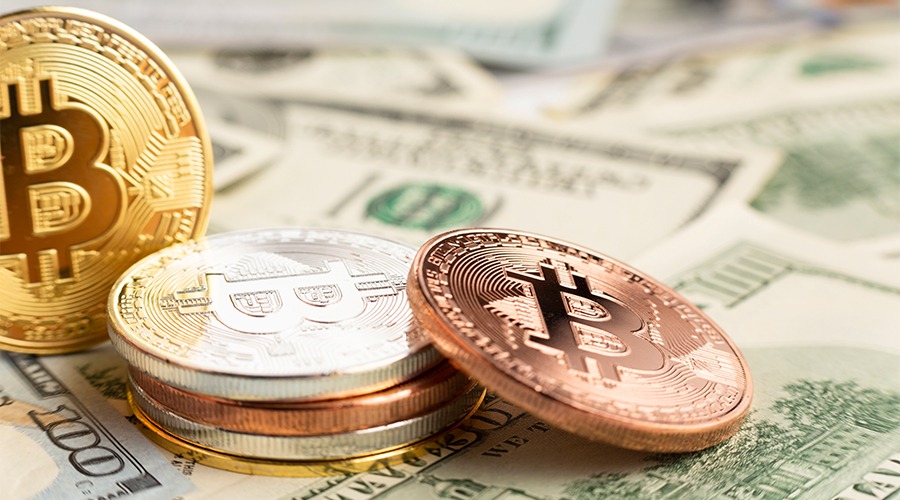
This guide explains how to buy and sell cryptocurrency on an exchange, covering KYC, funding, placing orders, market versus limit trades, exchange fees, India’s crypto tax rules, and simple safety tips to protect your digital assets.
Overview
- Buying and selling crypto involves KYC, funding, and simple order placement steps.
- India taxes crypto gains at 30%, plus 1% TDS on qualifying trades.
- Moving coins to a personal wallet adds stronger protection against hacks.
A decade ago, buying Bitcoin meant hunting through forums and trusting strangers on the internet. Today, the process takes a few taps on a phone. Indian exchanges have made digital assets as easy to purchase as a mutual fund, though the paperwork and the risks remain quite different.
Crypto exchanges now serve well over 560 million people worldwide, and platforms such as CoinDCX, WazirX and ZebPay keep pulling in new Indian users despite a tough tax regime. This article breaks down the actual process of buying and selling coins, along with the costs and precautions that often get overlooked by first-time traders.
What a Crypto Exchange Really Does
Think of an exchange as a busy marketplace where rupees and digital coins constantly change hands. The platform keeps a running order book and pairs buyers with sellers at prices both sides accept. Centralized exchanges, which is what most Indians use, also store customer funds and run identity checks before anyone can trade.
Decentralized exchanges operate on a different idea entirely. Trades settle straight between personal wallets, so no single company ever holds your money. Beginners tend to stick with centralized platforms anyway, mostly since the apps feel familiar and rupee deposits work without hassle.
Choosing an Exchange that Suits You
Not all platforms deserve equal trust, and fees can quietly eat into returns over time. Before signing up anywhere, it helps to check a few basics first.
- Regulatory status: See if the exchange is registered with India’s Financial Intelligence Unit.
- Fee structure: Most charge somewhere between 0.1% and 0.5% per trade.
- Trading volume: Busier exchanges usually fill orders faster and with tighter prices.
- Security track record: Search for past breaches and how the company responded.
- Coin selection: Confirm the exchange actually lists what you want to buy.
CoinDCX, CoinSwitch and ZebPay remain common entry points for Indian traders, largely since verification is quick and rupee support is reliable.
Also Read: What is a Crypto Exchange and How Does it Work?
Reading the Fee Page Before You Deposit
Every exchange publishes its charges somewhere, though it often sits buried in a help section nobody checks. Spending five minutes there before depositing money saves real frustration later, especially around withdrawal fees that catch people off guard.
Steps to Buy Cryptocurrency
Once an exchange is chosen, the buying process looks roughly the same everywhere.
- Register an account using your email address and a strong password.
- Finish KYC verification by uploading your PAN card, Aadhaar and a clear selfie.
- Deposit money through UPI, IMPS or a straightforward bank transfer.
- Place your order, picking the coin, the amount and whether it is market or limit.
- Watch the coin land in your exchange wallet within a matter of seconds.
A market order buys right away at whatever price is live. A limit order sits and waits until the market reaches the price you picked yourself. New traders often go with market orders simply since they are faster, while seasoned ones lean on limit orders when prices are swinging wildly.
Why Some Traders Move Coins Off the Exchange
A fair number of traders shift their coins into a hardware or software wallet soon after buying. Doing this pulls the funds out of the exchange’s custody, which lowers the damage if that platform ever gets hacked.
Steps to Sell Cryptocurrency
Selling basically runs the buying process backward.
- Bring coins back to the exchange wallet if they had been moved out earlier.
- Choose the trading pair, such as BTC paired against INR.
- Place a sell order, again picking between market and limit pricing.
- Confirm once the price looks fair and the order executes.
- Withdraw the proceeds to your bank account, usually settling within a day or two.
Crypto markets never sleep, so prices can swing hard within minutes, even overnight. A limit order often spares sellers from cashing out during a brief, sharp dip that reverses soon after.
Fees, Taxes and Hidden Costs
Every single trade carries a cost, and Indian tax rules add a heavy layer on top of that. Profits from digital assets get taxed at a flat 30%, and losses cannot be set off against other income. On top of that, a 1% tax gets deducted at source on qualifying transactions under Section 194S of the Income Tax Act.
Beyond the tax bill, a few recurring charges tend to sneak up on traders:
- Trading fees charged on each buy and sell order
- Withdrawal fees when pulling money off the platform
- Network fees for sending coins to an outside wallet
- Occasional conversion charges on certain rupee deposits
A simple spreadsheet tracking every transaction through the year makes tax filing far less painful come March.
Staying Safe While You Trade
Security matters just as much as picking the right coin at the right time. Switch on two-factor authentication the moment you sign up, and never hand over a verification code to anyone, including someone posing as support staff.
Treat messages promising free coins or warning of urgent account trouble with real suspicion, since these scams target Indian investors constantly. Large holdings are genuinely safer sitting in a cold wallet than parked on an exchange for months on end.
Final Thoughts
Buying and selling cryptocurrency has stopped being a puzzle reserved for tech insiders. Most Indian exchanges now walk new users through signup, verification and that first trade in well under ten minutes. What separates a calm trading experience from a stressful one usually comes down to picking a trustworthy platform and staying alert about security throughout.
Tax planning deserves equal weight in that decision, since the 30% rate and 1% TDS rule can quietly shrink real gains. Approaching crypto with the same patience and research applied to any serious investment, rather than chasing quick wins, tends to make the whole journey steadier and considerably less stressful.
Also Read: How to Choose the Best Crypto Exchange for Beginners
FAQs
1. Is it safe to buy cryptocurrency on an Indian exchange?
Generally yes, provided the platform follows proper KYC checks and has a clean security history. Stick to well-known exchanges, turn on two-factor authentication, and avoid leaving large balances sitting idle on the platform itself.
2. How much tax applies to crypto profits in India?
India taxes crypto gains at a flat 30% rate, plus applicable cess, with no provision to offset losses. A separate 1% TDS also applies on qualifying transactions under Section 194S of the Income Tax Act.
3. What is the real difference between a market order and a limit order?
A market order buys or sells instantly at whatever price is currently live. A limit order waits until the market reaches a price you set yourself, offering more control during sudden or volatile price swings.
4. Can someone start trading with a very small amount of money?
Yes, most exchanges support fractional purchases, letting users buy a small slice of Bitcoin or any listed coin. This makes crypto investing accessible to beginners, regardless of how modest their starting budget happens to be.
5. Is it better to keep coins on the exchange or move them to a wallet?
Moving larger holdings into a personal hardware or software wallet lowers risk considerably. Exchange wallets stay convenient for frequent trading, but they remain more exposed to hacks, outages and other security incidents over time.
Disclaimer : Crypto News India does not recommend that any cryptocurrency should be bought, sold, or held by you. Do conduct your own due diligence and consult your financial advisor before making any investment decisions.
