

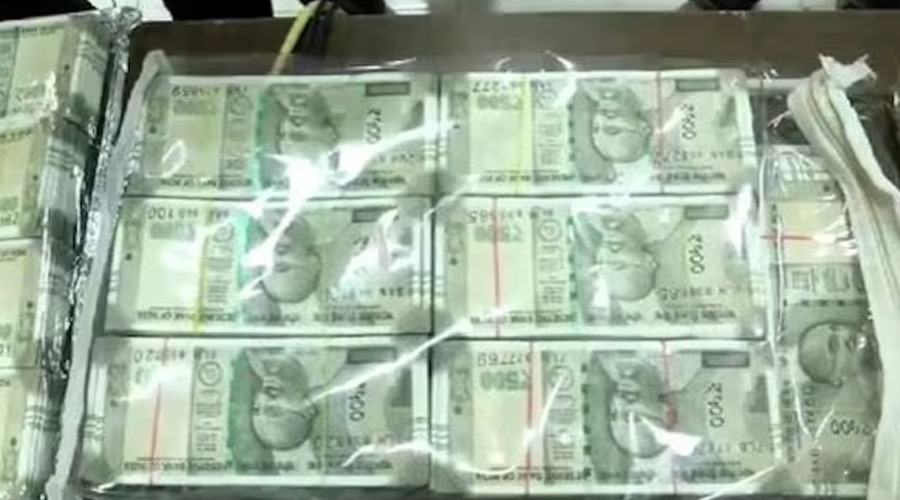
Lucknow Police Uncovered an Alleged Cash-to-Crypto Racket and Arrested 9 People Accused of Moving Cyber Fraud Money Through Mule Accounts & USDT
Lucknow police have arrested nine people for their alleged role in a cash-to-crypto racket that helped move money stolen through cyber fraud. The investigation found that the group used mule accounts to collect the money before converting it into USDT and sending it to digital wallets linked to foreign cyber criminals. Police believe the accused worked as money handlers for overseas fraud groups instead of directly cheating people.
The case came to light during Operation CY VAJRA, when police checked suspicious bank accounts flagged on the National Cybercrime Reporting Portal. What started as a routine account verification soon uncovered a larger network that moved stolen money through cryptocurrency. Investigators believe the group helped cyber criminals move funds out of the banking system before authorities could freeze them.
How the Racket Worked
According to police, the accused searched for people who needed money and convinced them to open bank accounts for a small payment. After the accounts were opened, the group allegedly collected ATM cards, passbooks, cheque books, and internet banking details. These accounts then became mule accounts that received money from cyber fraud cases reported across the country.
Once the money reached those accounts, the group either withdrew it quickly or converted it into USDT. The cryptocurrency was then transferred to digital wallets that investigators believe belonged to Chinese cyber operators. Police suspect the accused earned a commission for every successful transfer, making them an important part of the money laundering process.
Arrests and Seized Evidence
The investigation moved ahead after police detained Mohammad Shahrukh near Keshav Nagar while checking suspicious accounts. His questioning helped officers find another location near IIM Road, where eight more suspects were arrested. During the raids, police recovered 50 ATM and credit cards, cheque books, passbooks, Rs. 53,100 in cash, an iPad, a tablet, and two vehicles that were allegedly used by the group.
The nine accused include an LLB student, a NEET aspirant, delivery workers, students, and daily wage earners. Police said the group came from different backgrounds but allegedly worked together to move stolen money through bank accounts and cryptocurrency. Investigators are now trying to find out whether more people are connected to the network.
Investigation Expands Further
This case shows that cyber fraud gangs now use cryptocurrency to move stolen money across countries. Digital assets make it harder to track illegal transactions, giving fraud networks another way to hide their money. Police now plan to follow the crypto trail to identify more people linked to the operation.
Officials have started checking the seized phones, tablets, and Telegram chats to trace crypto wallets and identify foreign contacts. The investigation will also examine the full size of the network and whether similar groups are operating in other states.
Police have also warned people not to let anyone use their bank account for money transfers in exchange for cash. A bank account used in cyber fraud can create serious legal trouble for the account holder, even without direct involvement in the crime. Authorities believe stronger checks and public awareness can help reduce the use of mule accounts in cyber fraud cases.
Disclaimer : Crypto News India does not recommend that any cryptocurrency should be bought, sold, or held by you. Do conduct your own due diligence and consult your financial advisor before making any investment decisions.
